



“Blue baby syndrome” is one of the key reasons nitrate levels in drinking water are regulated. Here’s how it works—and why it still matters today.
Panier
(0 article)
Votre panier est vide
Imagine yourself hiking through the Lake District or the Scottish Highlands, far from civilisation, with only a nearby stream as a water source. But is water from a river or lake necessarily safe to drink? Is a single minute of intense heat really enough to eliminate bacteria, heavy metals, viruses and other pathogens?
Boiled water is often seen as a universal solution for making water safe to drink. But is it truly the most effective method of disinfection? And which contaminants can actually withstand the heat?
Between advice on boiling for disinfection, alternatives such as gravity filters or chemical treatments and the precautions you need to take, here is everything you should know to stay safely hydrated—whether travelling, camping or dealing with an unreliable mains water supply.
Drinking water contaminated with bacteria and germs is not a risk to take lightly. Invisible microorganisms such as Escherichia coli (E. coli) or hepatitis-causing viruses can turn a single sip into a serious health threat, even at low exposure levels.
These infections can lead to serious illnesses that affect both immediate well-being and long-term health. Eliminating bacteria is not just about avoiding an upset stomach; it is a fundamental pillar of health safety.
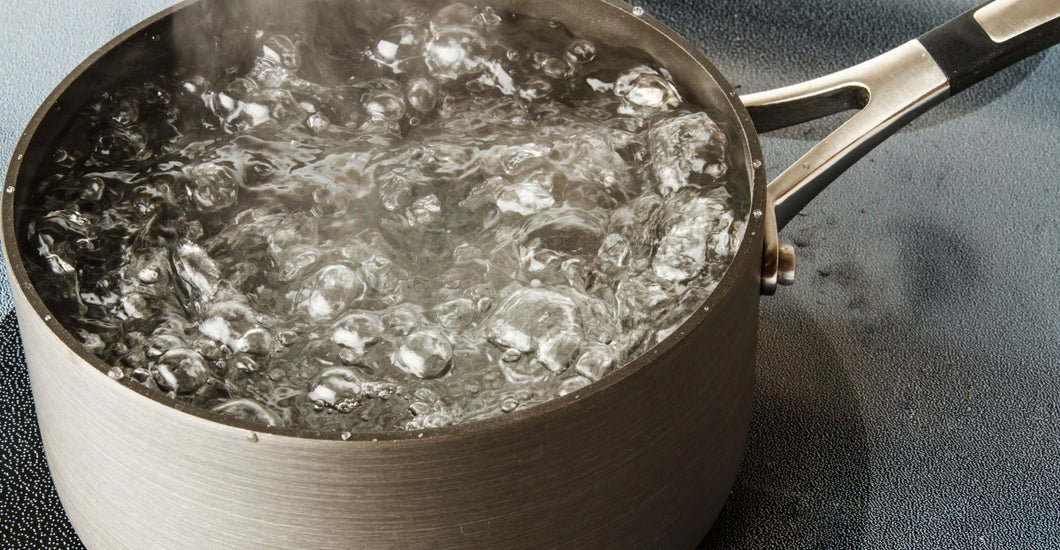
Boiling is one of the oldest and simplest water treatment methods—but is it effective against bacteria, viruses and parasites?
When carried out correctly, boiling kills most biological contaminants. However, this technique is not infallible. Heat causes the proteins within pathogenic microorganisms to denature, preventing them from surviving or reproducing. As a result, most bacteria—including resilient strains like E. coli—are destroyed.

In general, 100°C is sufficient to eliminate most bacteria. To ensure effectiveness, water should be kept at a rolling boil for at least one minute. This duration is adequate even for more resistant microorganisms.
At higher altitudes, water boils at a lower temperature. In these conditions, the boiling time must be extended significantly to achieve the same level of safety.
| Water Temperature | Recommended Time | Altitude | Effectiveness |
|---|---|---|---|
| 100°C | 1 minute (rolling boil) | Up to 2,000 metres | Eliminates most bacteria and viruses. |
| 100°C | 3 minutes (rolling boil) | Above 2,000 metres | Safe for high-altitude use. |
It is vital to understand that not all contaminants are affected by heat. Heavy metals, nitrates, pesticides and chemical pollutants (like PFAS) remain unchanged by boiling. In fact, boiling can slightly increase the concentration of these chemicals as water evaporates. To remove these, advanced filtration is required.
While boiling is a useful emergency skill, it is often impractical for daily use or long-distance travel. Modern alternatives provide more comprehensive protection.

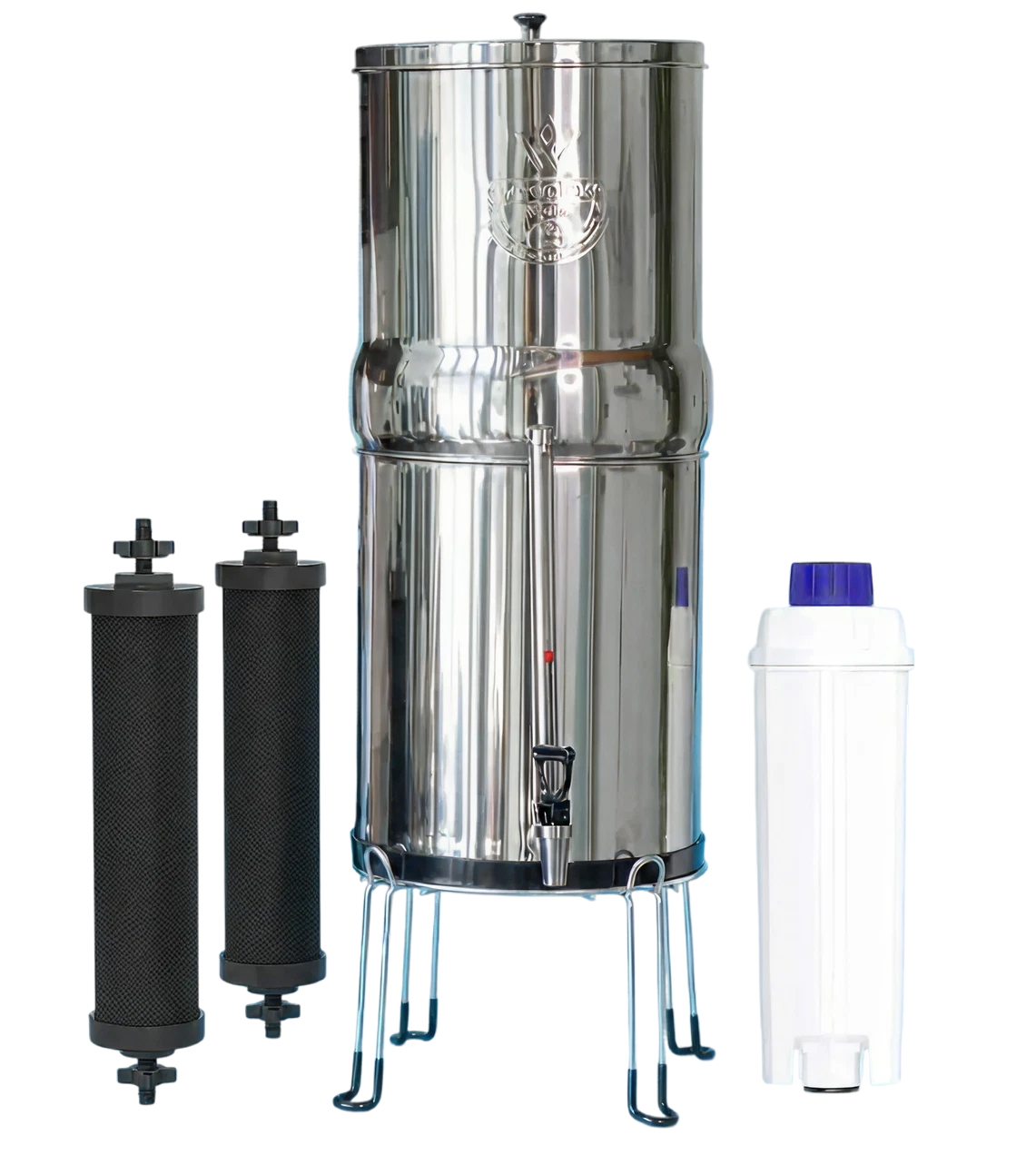
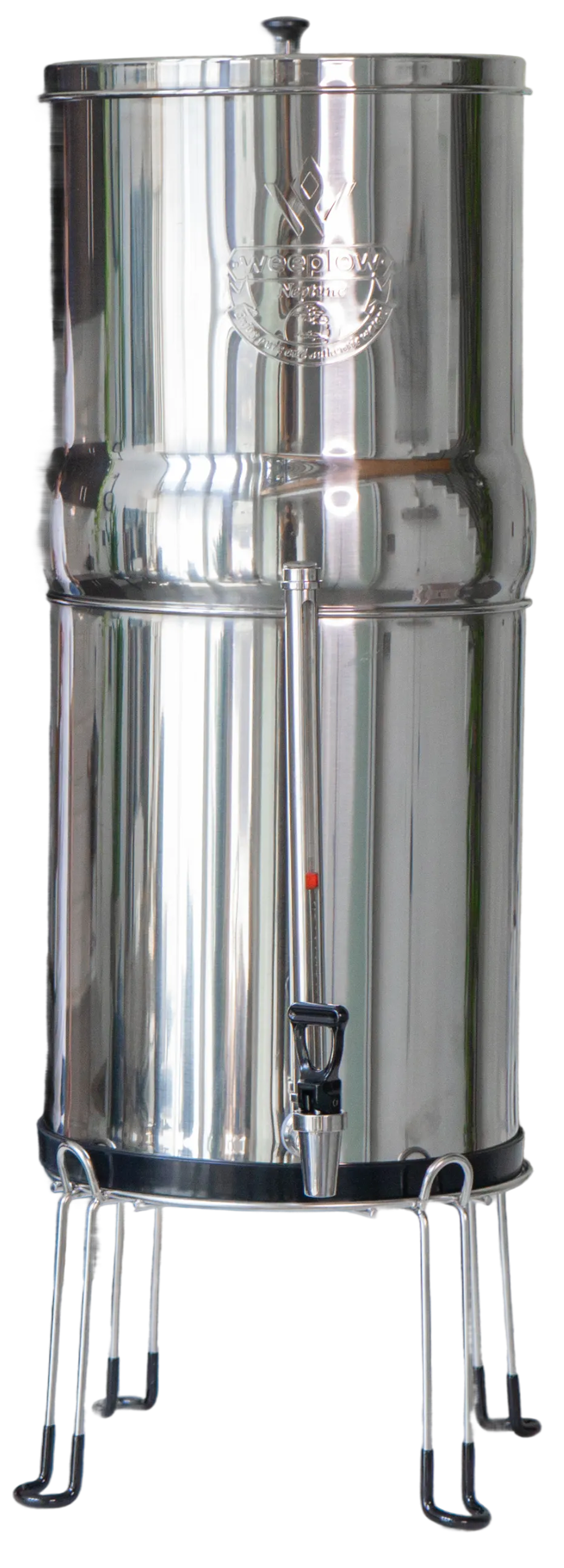
At Weeplow, we recommend gravity filters as the most reliable alternative. These systems use gravity to pull water through dense activated carbon elements, trapping contaminants without the need for fuel or electricity.
Chlorine or iodine tablets are lightweight but rely on chemicals that many prefer to avoid. UV devices are fast but only "scramble" the DNA of bacteria; they do not remove the physical particles or chemical toxins from the water.
Gravity filtration has stood the test of time and remains one of the most effective ways to secure your water future. By choosing a high-performance system, you ensure that every drop is as nature intended—clean, safe and refreshing.
Ready to move beyond the kettle? Discover the Weeplow gravity filtration range.
“Blue baby syndrome” is one of the key reasons nitrate levels in drinking water are regulated. Here’s how it works—and why it still matters today.
Research into nitrates and cancer is still evolving, but scientists are paying closer attention to what long-term exposure in drinking water could mean for health over time. Here’s what current res...
Boil water notices can feel unexpected, but they’re a normal part of how water quality is managed. This guide explains what they mean, why they happen, and exactly what to do at home—so you can han...
A viral video shared on X (formerly Twitter) has attracted millions of views. In the clip, a man attempts to prove that bottled mineral water is heavily contaminated by using an electrolysis device...
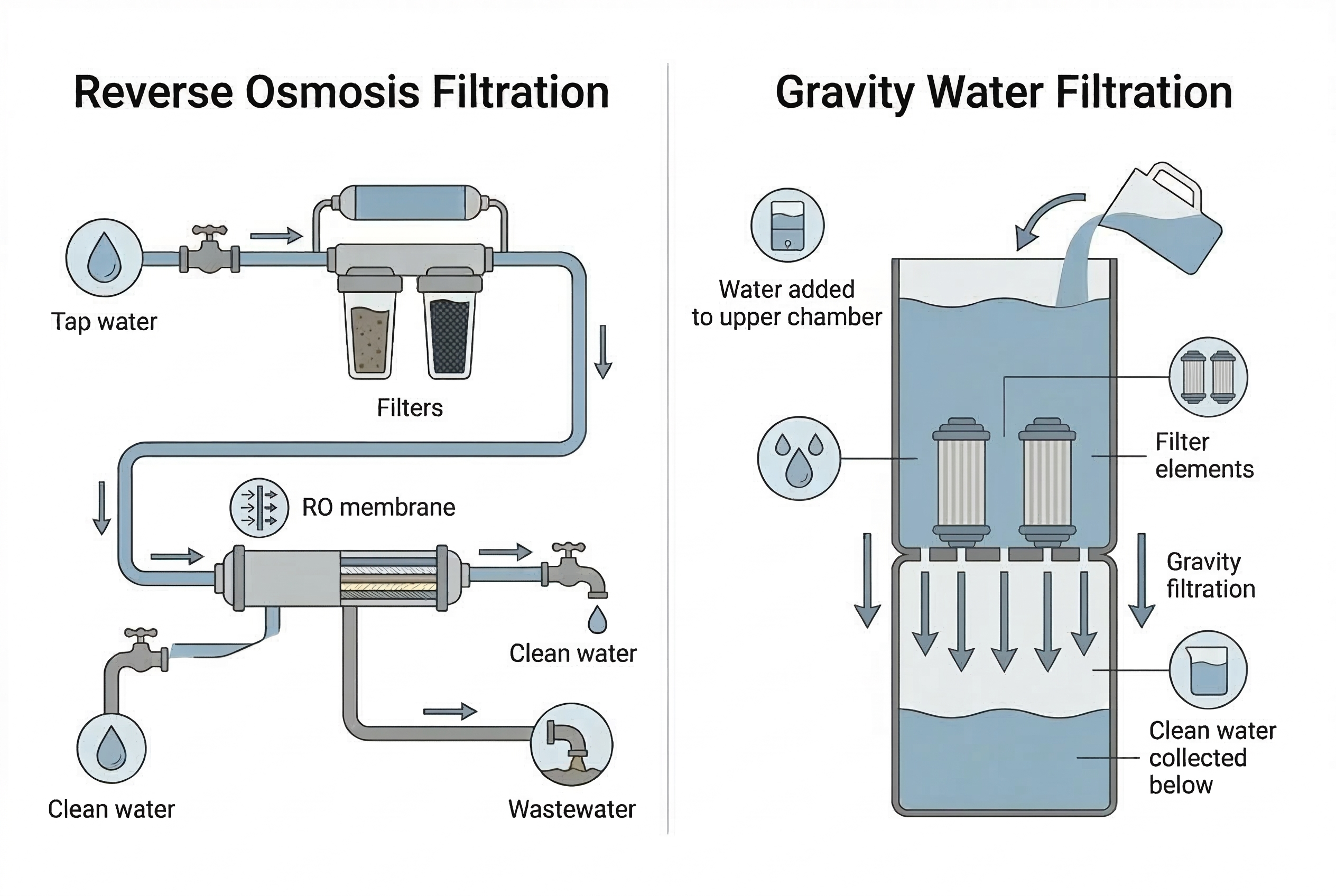
Reverse osmosis and gravity water filters both improve drinking water quality, but they work in very different ways. Learn how each system works, what contaminants they remove, and which option may...