



“Blue baby syndrome” is one of the key reasons nitrate levels in drinking water are regulated. Here’s how it works—and why it still matters today.
Panier
(0 article)
Votre panier est vide
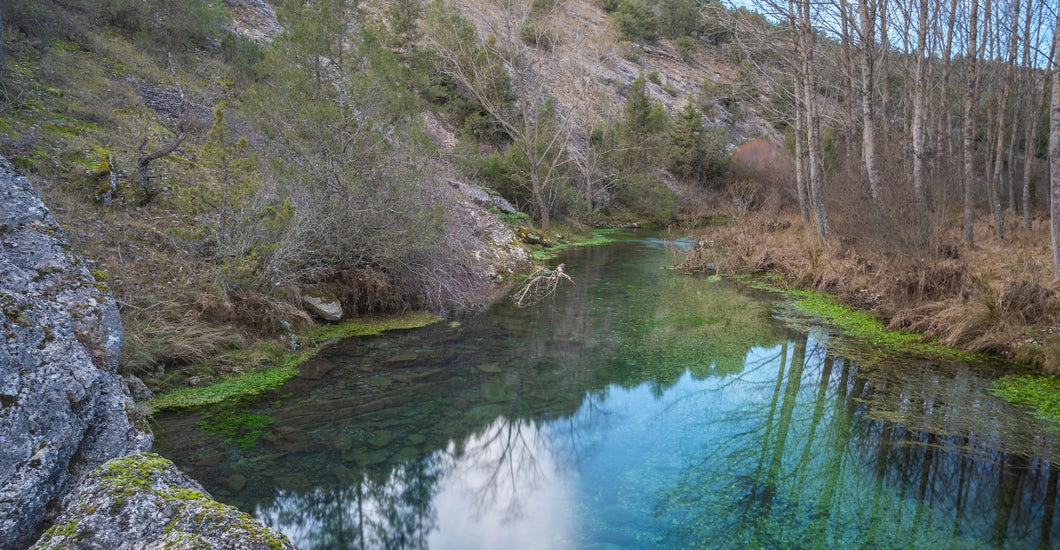
Deep beneath British aquifers, billions of litres of freshwater are extracted each year by multinationals such as Nestlé and Coca-Cola. These giants tap into precious underground reserves, turning natural resources into bottled water destined for a lucrative global market. But at what cost?
As regions like Vittel in France and Speyside in Scotland become epicentres of this extraction, questions are intensifying. Why do these practices, often subject to insufficient regulation, raise so much concern? Researchers are issuing urgent warnings about environmental risks, the impact on groundwater levels, potential contamination, and the mounting pressure on these vital reserves.
From large-scale industrial treatment to the thousands of "water miles" travelled for production and sale, investigations reveal a complex reality. Is it time to rethink these practices to protect a resource that is as indispensable as it is finite?
An aquifer is a vast natural reserve of freshwater located beneath the Earth’s surface. These underground layers store and filter rainwater over decades as it percolates through rock. These reservoirs play a crucial role in the natural treatment of water, supplying wells, springs, and public water networks with high-quality hydration.
Aquifers generally fall into three categories:
British aquifers are the lifeblood of our terrestrial and marine ecosystems. Their natural recharge—a process spanning decades or even centuries—is currently threatened by aggressive industrial extraction and the prolonged droughts linked to climate change.
Data suggests that massive extraction by groups such as Nestlé often exceeds the natural regeneration capacity of aquifers in specific UK regions.
Scientific research shows that excessive aquifer exploitation directly impacts water quality and quantity:

The UK bottled water market is largely dominated by a few global multinationals. According to industry data, five companies control the vast majority of the sector:
These corporations capture the highest-quality resources, raising ethical concerns about the exclusive use of public assets for private profit.
While the presence of microplastics in bottled water is well-documented, their indirect impact on aquifers is a growing environmental concern. Recent studies highlight that plastic waste from the industry could be contaminating the very sources they extract from through infiltration.
Landfills containing bottled water waste contribute to microplastic dispersion. Bottle fragments and caps, exposed to rain and underground pressure, release particles that eventually mix with groundwater.
The future of our water resources depends on a delicate balance between economic activity and environmental protection. As consumers, we have the power to shape the market. By reconsidering our choices and opting for sustainable alternatives, we can safeguard these underground treasures for future generations.

It is entirely possible to move away from bottled spring water without compromising on quality. In recent years, scandals involving prohibited treatments by major brands have shaken consumer trust. You can enjoy high-quality, mineral-rich water using your own tap, thanks to gravity filtration.
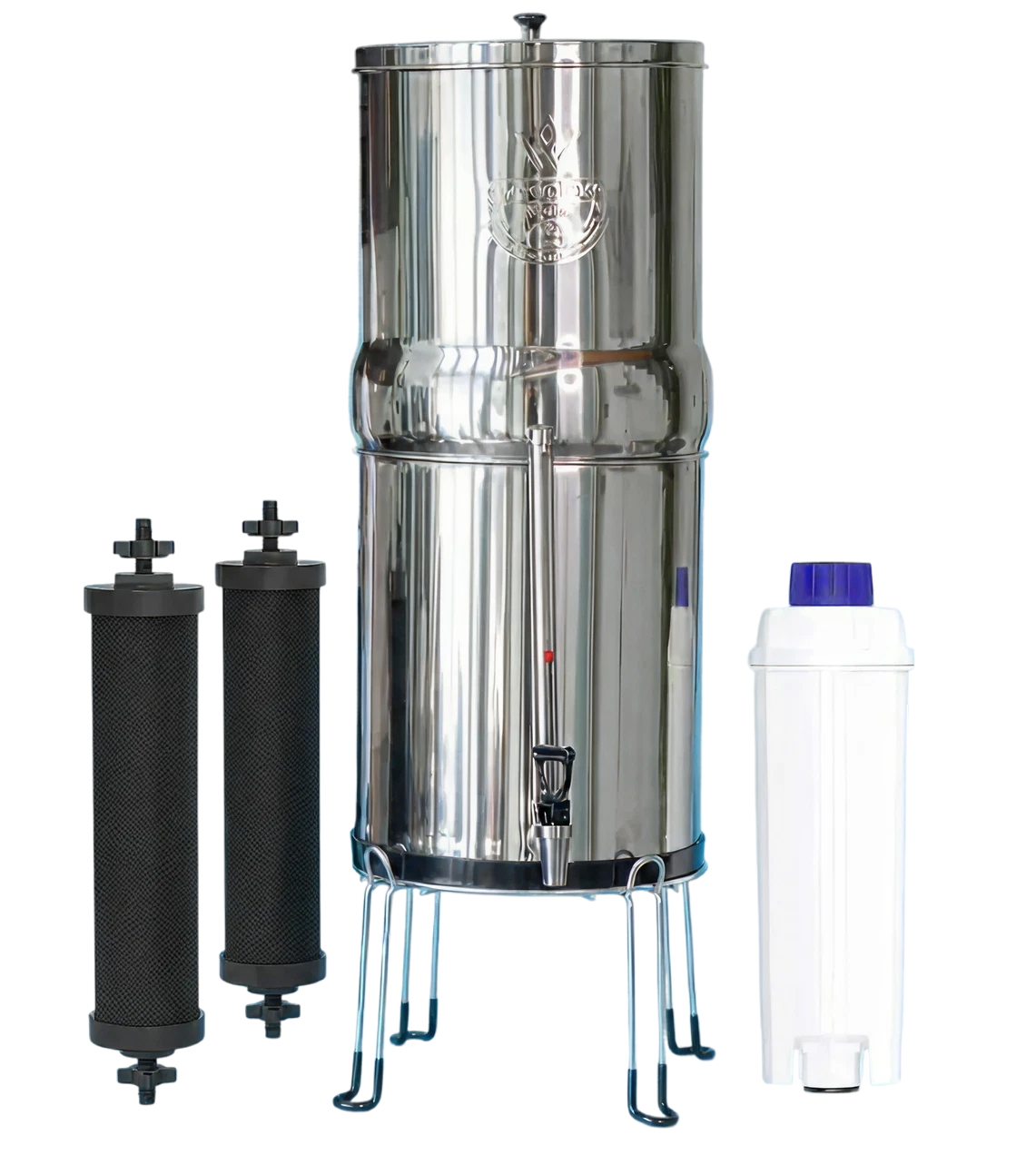
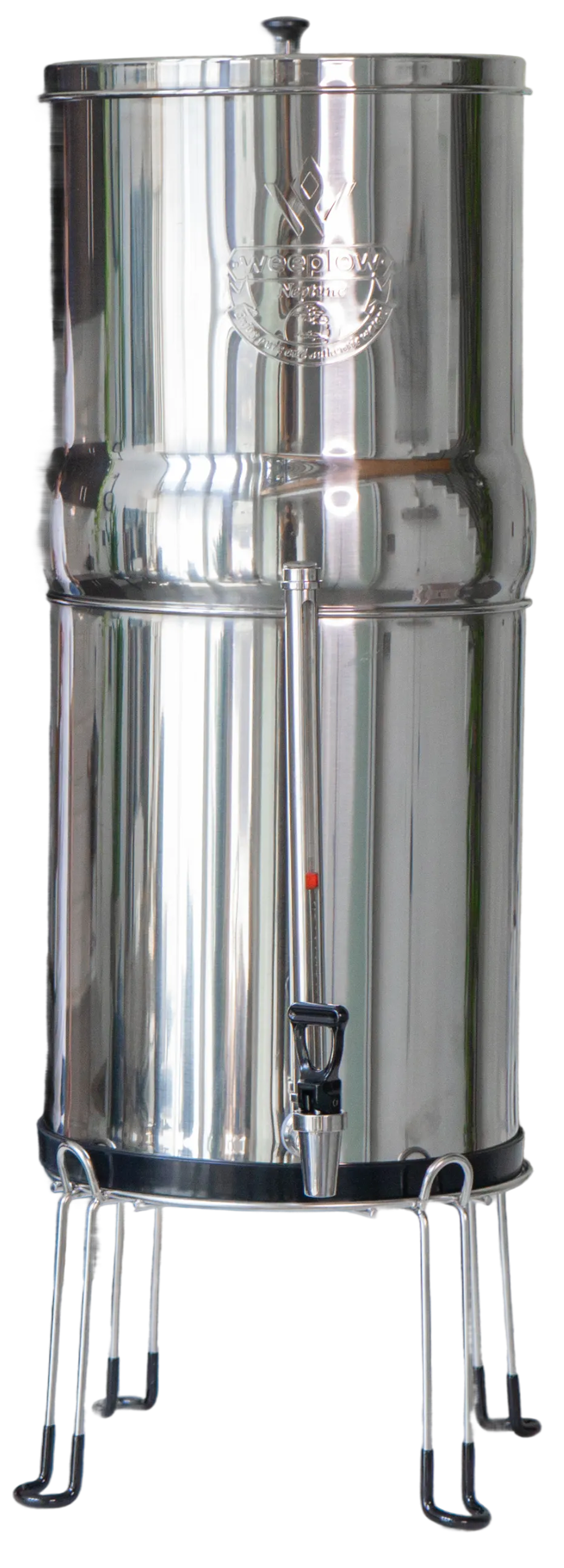
The Weeplow gravity filter offers a simple, effective solution: fill the upper chamber with tap water, and let gravity do the work. This method is increasingly popular because it:
Ready to protect your health and the environment? Explore the Weeplow range and reclaim your water autonomy today.
“Blue baby syndrome” is one of the key reasons nitrate levels in drinking water are regulated. Here’s how it works—and why it still matters today.
Research into nitrates and cancer is still evolving, but scientists are paying closer attention to what long-term exposure in drinking water could mean for health over time. Here’s what current res...

Boil water notices can feel unexpected, but they’re a normal part of how water quality is managed. This guide explains what they mean, why they happen, and exactly what to do at home—so you can han...
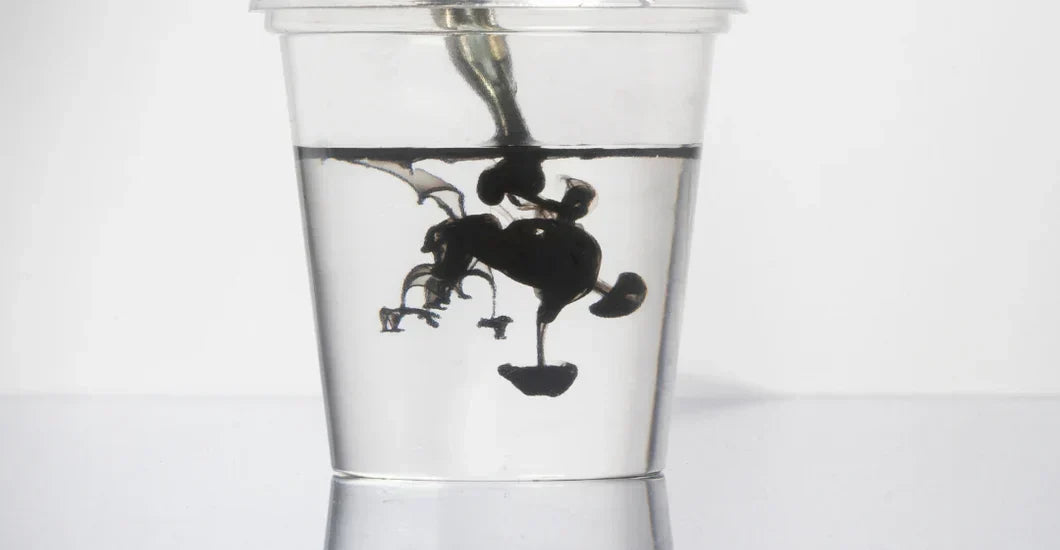
A viral video shared on X (formerly Twitter) has attracted millions of views. In the clip, a man attempts to prove that bottled mineral water is heavily contaminated by using an electrolysis device...
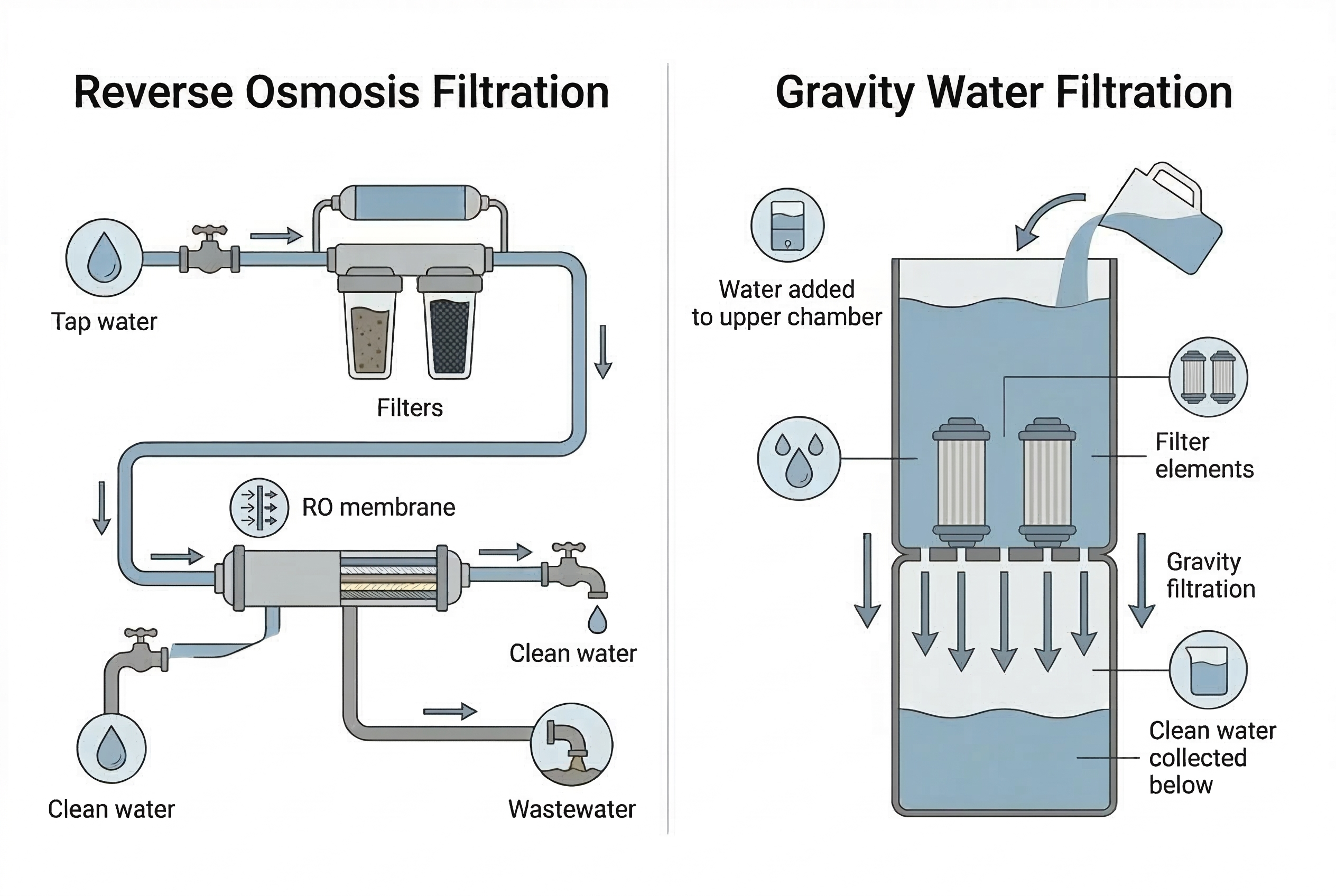
Reverse osmosis and gravity water filters both improve drinking water quality, but they work in very different ways. Learn how each system works, what contaminants they remove, and which option may...