



Research into nitrates and cancer is still evolving, but scientists are paying closer attention to what long-term exposure in drinking water could mean for health over time. Here’s what current res...
Warenkorb
(0 Artikel)
Dein Warenkorb ist leer
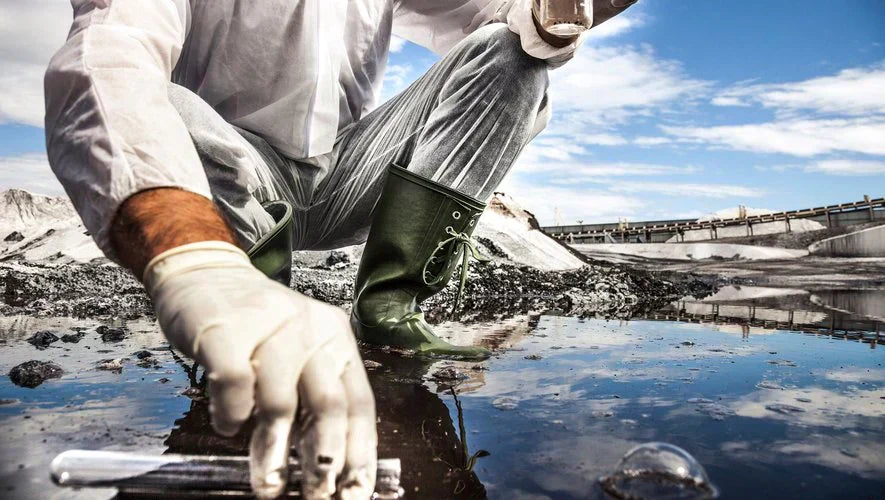
PFAS are synthetic chemicals that have become widespread in everyday life. Found in a wide range of products such as mobile phones, kitchen utensils and cosmetics, they can quietly make their way into our homes, contaminating our water, air and, ultimately, our bodies.
But what risks do these substances pose to our health? How can they be managed and filtered from household water? In this article, we take a closer look at these so-called “forever chemicals” and what you can do to limit your exposure.
PFAS are a large group of more than 4,700 man-made chemical substances. They are valued for their resistance to water, grease and stains, which explains their widespread use across many industries.
This same persistence is also what raises concern. PFAS break down extremely slowly in the environment and in the human body, which is why they are often referred to as “forever chemicals”.
The term PFAS stands for per- and polyfluoroalkyl substances. These compounds are present in many everyday products and can sometimes be detected in drinking water.
PFAS are found in far more everyday items than most people realise. More than 1,400 PFAS are currently used across over 200 different applications.
Some of the main areas of use include:
In practice, these “forever chemicals” are often used during product manufacturing to improve durability, performance or resistance. Examples include:
PFAS can also migrate from paper and plastic packaging into food, increasing overall exposure and raising concerns for public health.
Beyond the products we use, PFAS can enter the human body through food, drinking water, air and household dust. They are now detected across Europe and many cases have been reported across the UK.
Air contamination mainly results from atmospheric deposition linked to industrial activity and other sources of pollution. Below, we focus on food and drinking water.
Fish and seafood are among the main dietary sources of PFAS exposure. Elevated levels have also been found in game offal. Other foods may include meat, eggs, milk, fruit and vegetables, particularly root vegetables.
Food contamination can occur through several pathways:
PFAS may be present in mains water because these substances can seep into soil, contaminate rivers and lakes, and eventually reach groundwater sources.
The extent of contamination depends on the specific PFAS involved and local soil characteristics. Longer-chain PFAS and soils rich in organic matter tend to retain these compounds more strongly.
Studies have identified PFAS in drinking water supplies in many regions worldwide, highlighting the importance of monitoring and appropriate public health safeguards.
Many PFAS that have been studied show moderate to high toxicity, particularly for child development. The highest risks are associated with long-term exposure and vulnerable groups such as children, pregnant women and older adults.
The main health concerns identified include:
Public health agencies have also linked PFAS exposure to liver damage, thyroid disease, obesity and fertility issues.
Worldwide, governments are strengthening regulations to reduce PFAS exposure and protect both public health and the environment.
In Europe and the UK, chemical regulations such as REACH and UK REACH restrict certain PFAS, including specific long-chain compounds and their use in firefighting foams. Several PFAS are now classified as substances of very high concern.
Additional international frameworks also contribute to risk reduction, including:
The presence of PFAS in household water can understandably raise questions. While it is difficult to control exposure through food, air and dust, drinking water is one area where practical action can make a meaningful difference.
In the UK, water suppliers publish water quality reports that include information on regulated substances. Independent laboratory testing can also provide more detailed insight where specific concerns exist.
Research teams have also developed rapid testing prototypes capable of detecting certain PFAS at very low concentrations. These tools are still evolving, but they reflect growing efforts to better understand and monitor exposure.
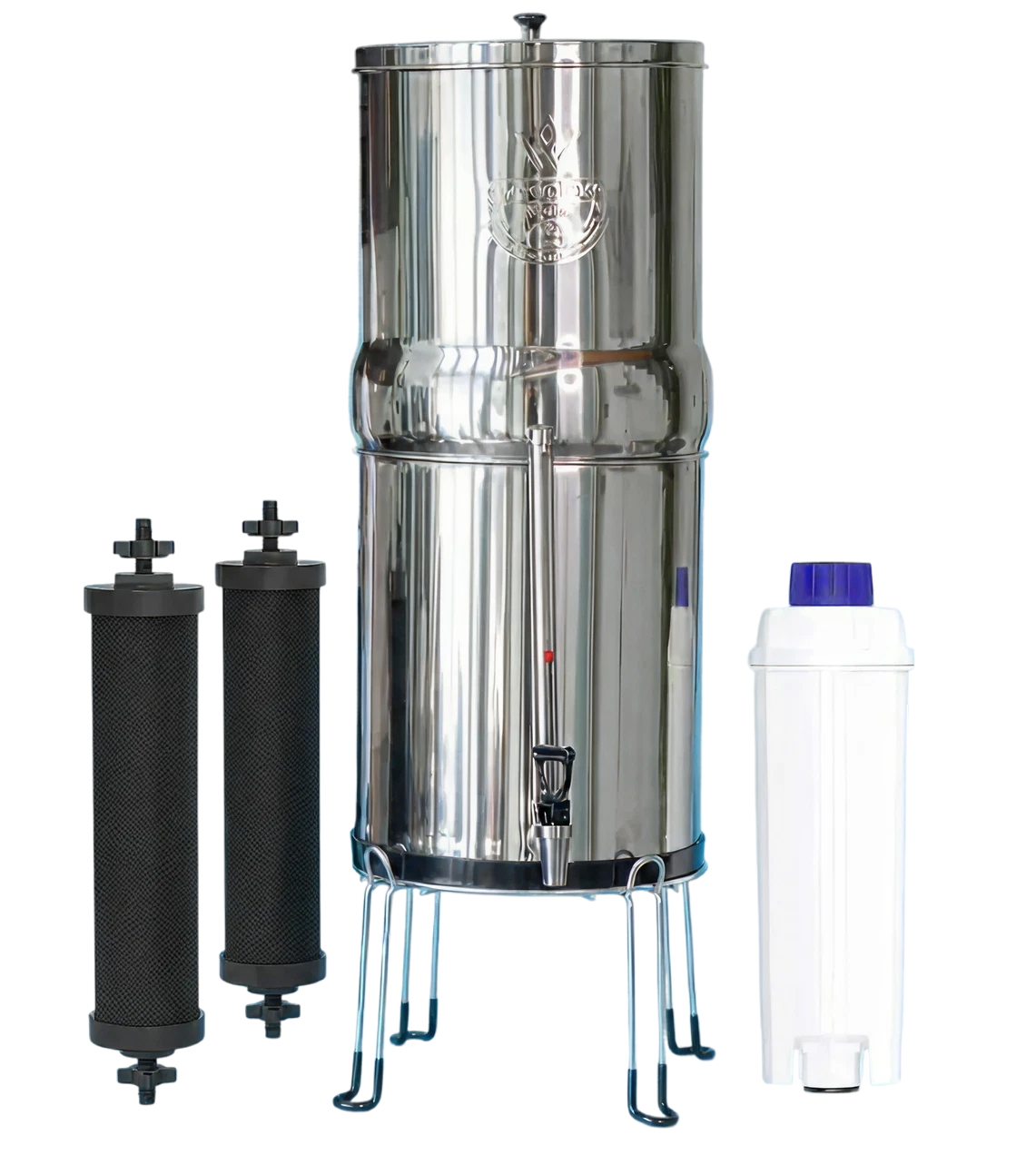
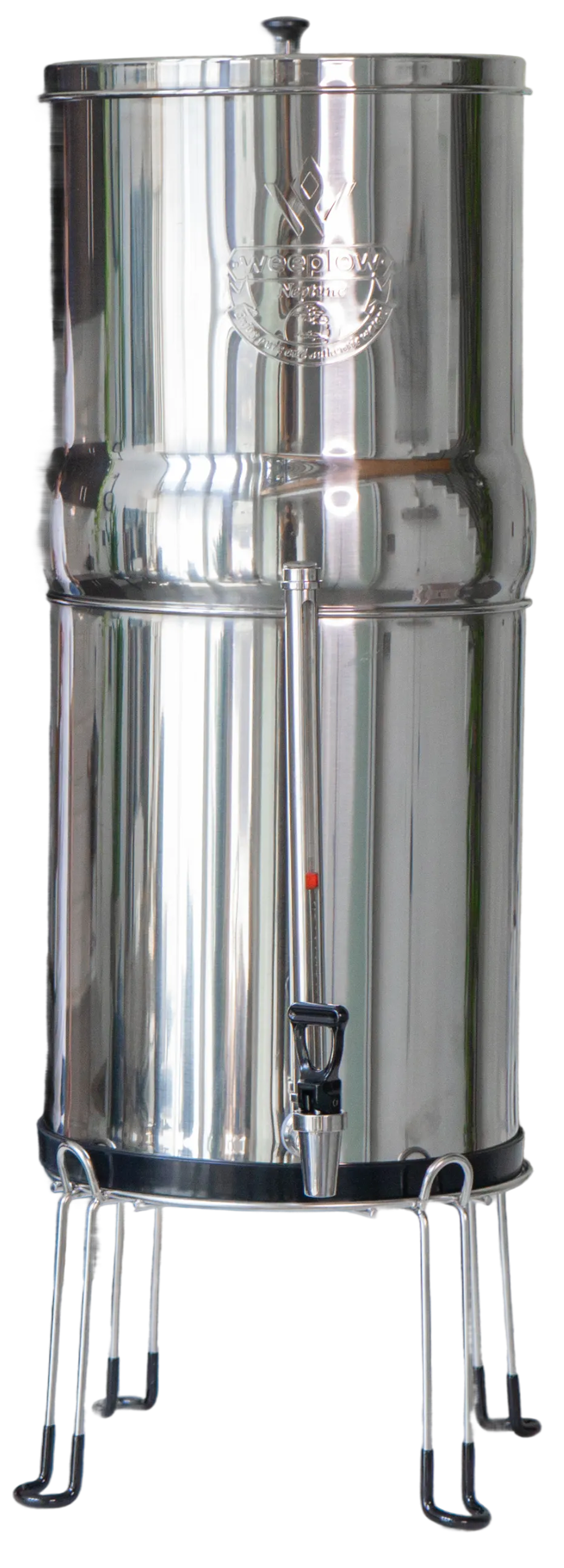
Activated carbon filters are among the most accessible and effective options for reducing PFAS in drinking water. The filters used in Weeplow gravity-fed filtration systems can remove up to 99.999% of harmful contaminants.
There are several types of activated carbon filtration:
To maintain performance, filters should always be replaced and maintained according to the manufacturer’s guidance.
PFAS are widely used because of their durability and resistance to water, grease and stains. While completely avoiding exposure is unrealistic, taking steps to manage drinking water can significantly reduce daily intake.
Particular care should be taken to protect more vulnerable household members, including children, pregnant women and older adults.
By improving water filtration at home, it is possible to limit ongoing exposure to these persistent chemicals. At Weeplow, we specialise in gravity-fed water filtration systems designed to support safer drinking water. Explore our online shop to find a solution suited to your household’s needs.
Research into nitrates and cancer is still evolving, but scientists are paying closer attention to what long-term exposure in drinking water could mean for health over time. Here’s what current res...

Boil water notices can feel unexpected, but they’re a normal part of how water quality is managed. This guide explains what they mean, why they happen, and exactly what to do at home—so you can han...
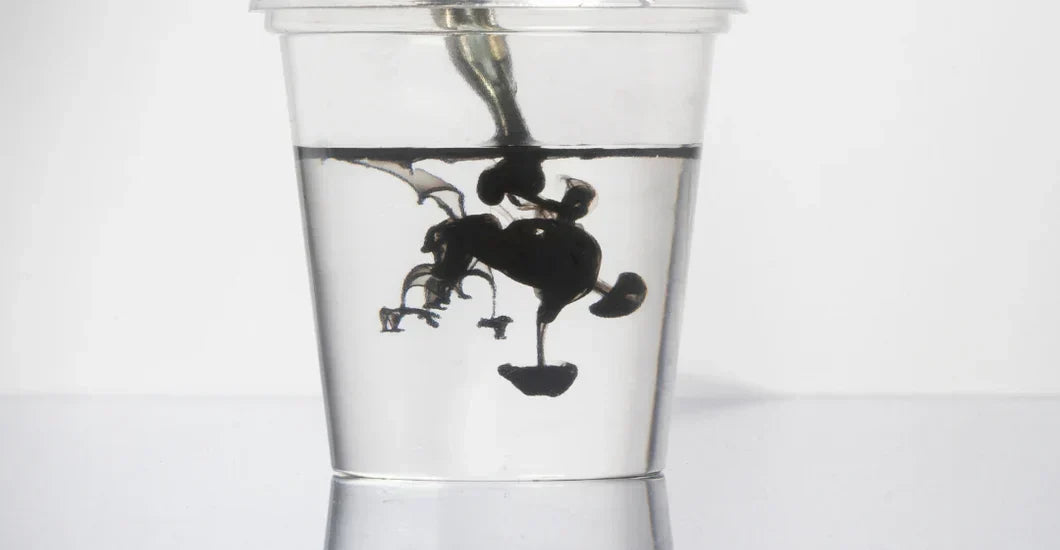
A viral video shared on X (formerly Twitter) has attracted millions of views. In the clip, a man attempts to prove that bottled mineral water is heavily contaminated by using an electrolysis device...
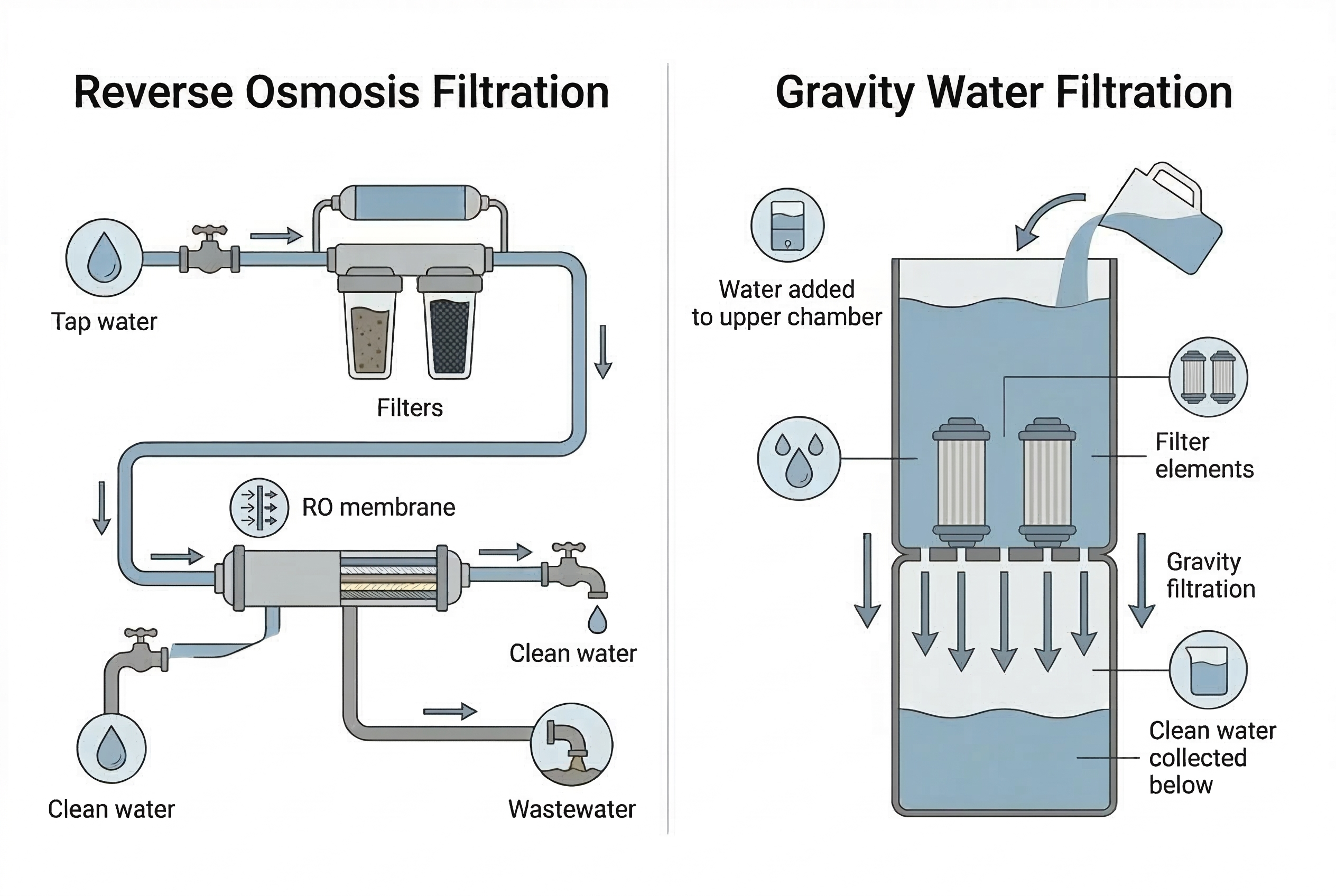
Reverse osmosis and gravity water filters both improve drinking water quality, but they work in very different ways. Learn how each system works, what contaminants they remove, and which option may...
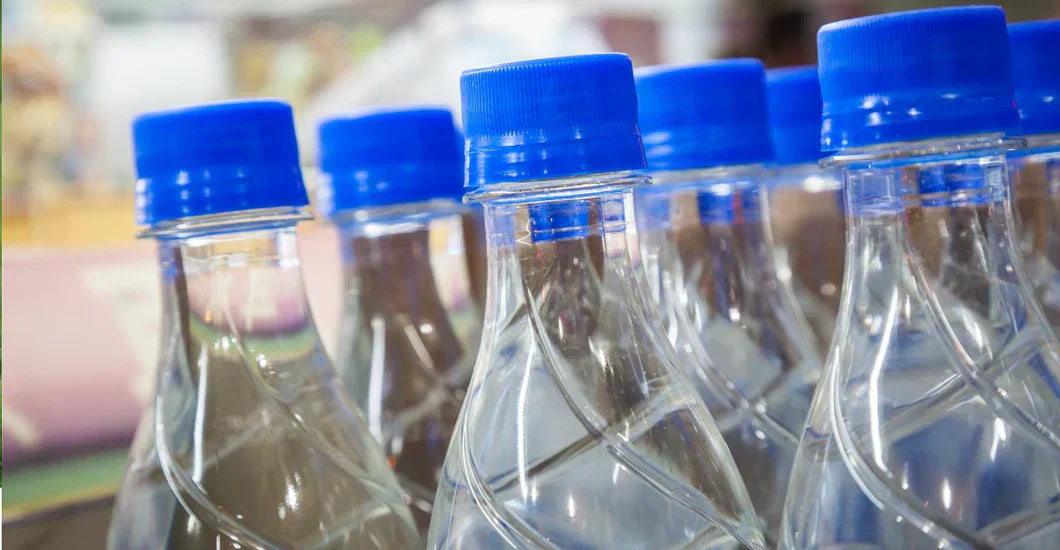
Nestlé Waters fined over mineral water treatment practices Nestlé Waters, the bottled water division of the Swiss group Nestlé, has agreed to pay a multimillion-euro fine following investigations ...