


Nitrates et méthémoglobinémie : quels risques pour l’eau du robinet ? Comprenez le lien entre ces deux éléments et ce que cela signifie pour votre eau au quotidien.
Your Cart
(0 products)
Your cart is empty
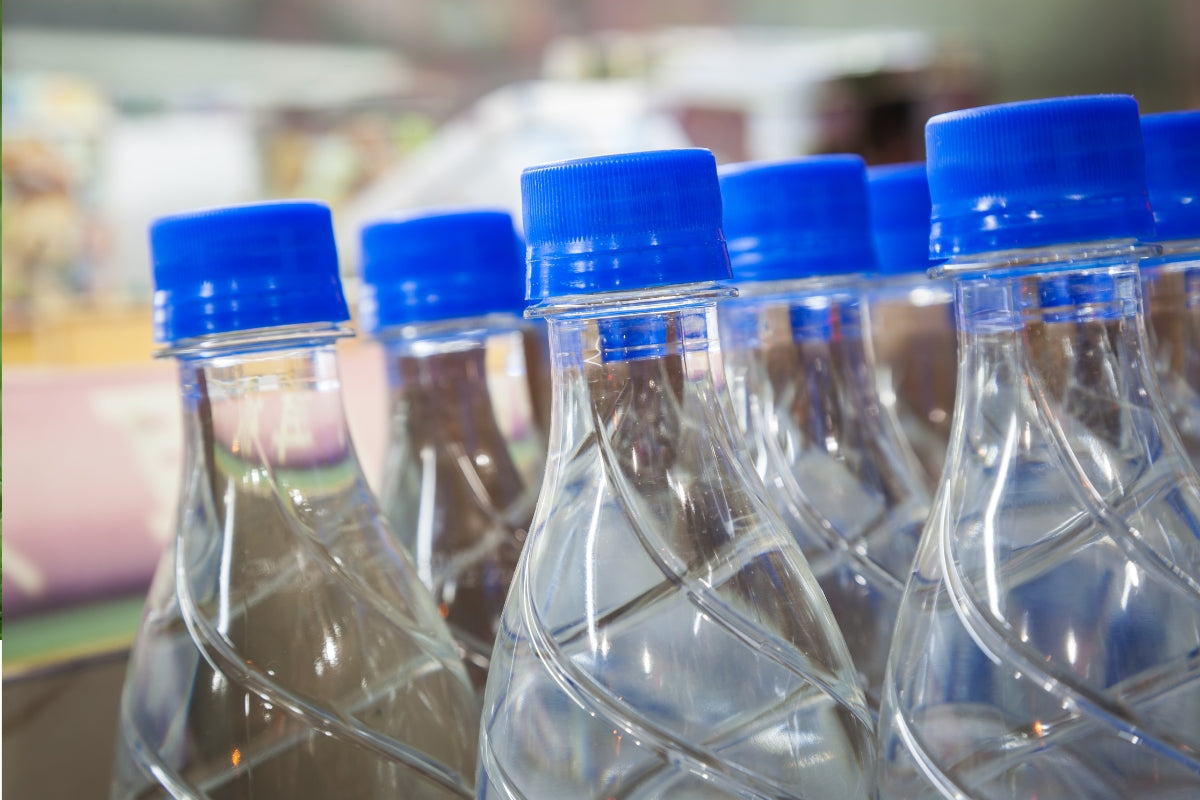
The global giant, through its French subsidiary Nestlé Waters, has agreed to pay a multimillion-euro fine following a preliminary investigation by the public prosecutor in Épinal. This marked a major development in the bottled water scandal on Tuesday 10 September.
Prosecutor Frédéric Nahon identified irregularities in the treatment methods used for the mineral waters of Vittel, Contrex, Hépar and Perrier. Filters and UV treatments not authorised under regulations had reportedly been used for years. Consumers were therefore misled about waters marketed as “natural”.
The company was also at the centre of a second case concerning the use of illegal boreholes. Legal proceedings were brought to a close after an agreement was reached. The group must pay a €2 million fine and carry out environmental restoration work in Vittel and Contrexéville.
Environmental groups, including the Eau88 collective, filed complaints against Nestlé Waters. The company was accused of illegally extracting water in the Vosges region for 20 years. According to Mediapart, nearly 19 billion litres of water may have been taken without authorisation.
The case is now closed after a public interest judicial agreement (CJIP) was signed between the Épinal prosecutor and the group.
This agreement allows the matter to be settled through payment and the introduction of a compliance programme. Nestlé, in comments reported by Le Monde, said it had committed to “repairing the ecological impact through an ambitious renaturation and restoration plan”.
The Swiss group added that it would focus on the Petit-Vair and the Vair rivers. It must allocate €1.1 million to this environmental plan.
It has also agreed to pay €516,800 to Foodwatch, VNE and Eau88, which had previously quantified their losses. This agreement ends the case locally, as the CJIP prevents further legal action against Nestlé in Épinal.
Penalty / Cost for Nestlé |
Amount |
Payment to the French Treasury |
€2,000,000 |
Compensation for associations |
€516,800 |
Environmental restoration |
€1,100,000 |
Total financial impact |
€3,616,800 |
The CJIP stated that, based on the investigations and borehole operations, no public health consequences had been identified and that the treatments used had not altered the mineral composition of the waters sold.
However, François Zind, lawyer for Eau88, said the tool was far from perfect, while still offering a faster environmental response.
Beyond the financial cost, it is Nestlé Waters’ reputation that has suffered most from the scandal. Confidence in bottled water, already weakened by environmental concerns, has been further shaken.
Figures from a 2024 IFOP survey reportedly showed:
The Épinal prosecutor noted that this was the largest environmental agreement of its kind. The company had, however, ended the illegal practices identified and the criticised methods had been stopped. The Swiss group was also said to have fully cooperated with judicial and administrative authorities.
It was given three months to regularise the situation. The prosecutor again stressed that there had been no public health consequences. This likely explains the level of the fine and the closure of proceedings on Tuesday 10 September 2024.
For its part, Nestlé had already responded by stopping the sale of improperly treated waters in order to comply with regulations. This inevitably reduced production. Marie-Amandine Stévenin, president of UFC-Que Choisir, said it would be “misleading to say we are satisfied with the chosen outcome”.
This process also highlights wider limitations. It is not the first time Nestlé has signed such an agreement without a trial. A similar case occurred at the end of 2020 with the prosecutor in Charleville-Mézières.
That case related to pollution of the River Aisne. The group disputed that the Challerange factory was responsible, despite the incident having caused the death of 6 tonnes of fish. A €40,000 fine was accepted by both sides.

Consumer groups such as the Vosges Sud collective criticised the agreement, arguing that it prioritised a rapid regularisation of the situation rather than genuine punishment.
They highlighted weaknesses in the current rules that allowed years of illegal boreholes and treatment practices. Reforms may therefore be needed to strengthen inspections and penalties for breaches. Some argue that permitted treatment methods for bottled waters should be reviewed using stricter international standards as inspiration.
Consumer groups and legal experts are calling for zero tolerance towards companies that mislead consumers about water quality.
The company says it has strengthened quality controls on raw water. Greater transparency around treatment processes has also been promised, along with investment in protecting springs and ecosystems.
It may still take time for the group to rebuild consumer trust and restore its image. This mineral water scandal will likely leave lasting marks on the global market leader. It also highlights the need for the industry to adapt to environmental challenges and growing demands for transparency.
To avoid similar concerns, many households choose purified water at home, while reducing plastic waste and gaining more control over water quality.

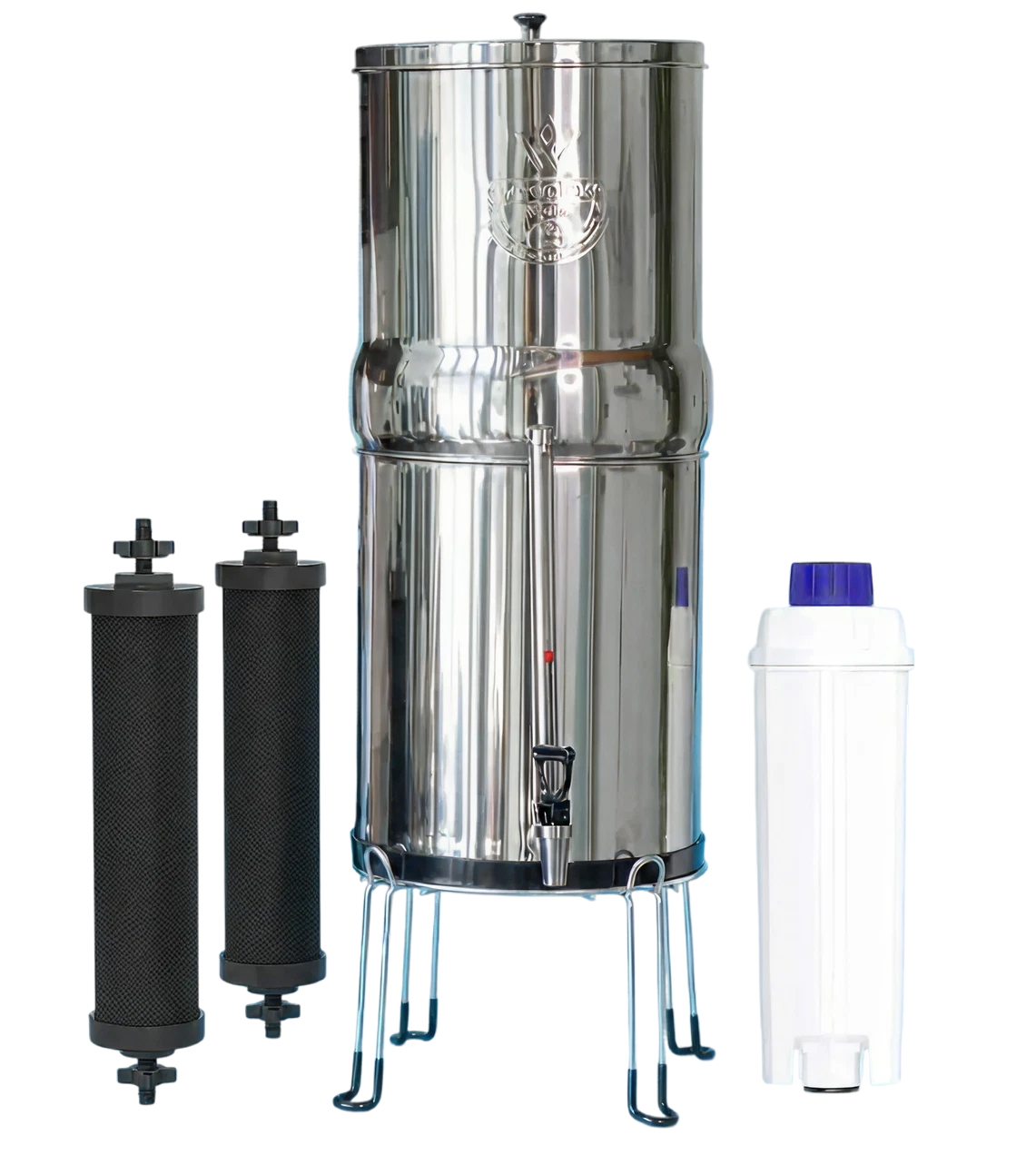
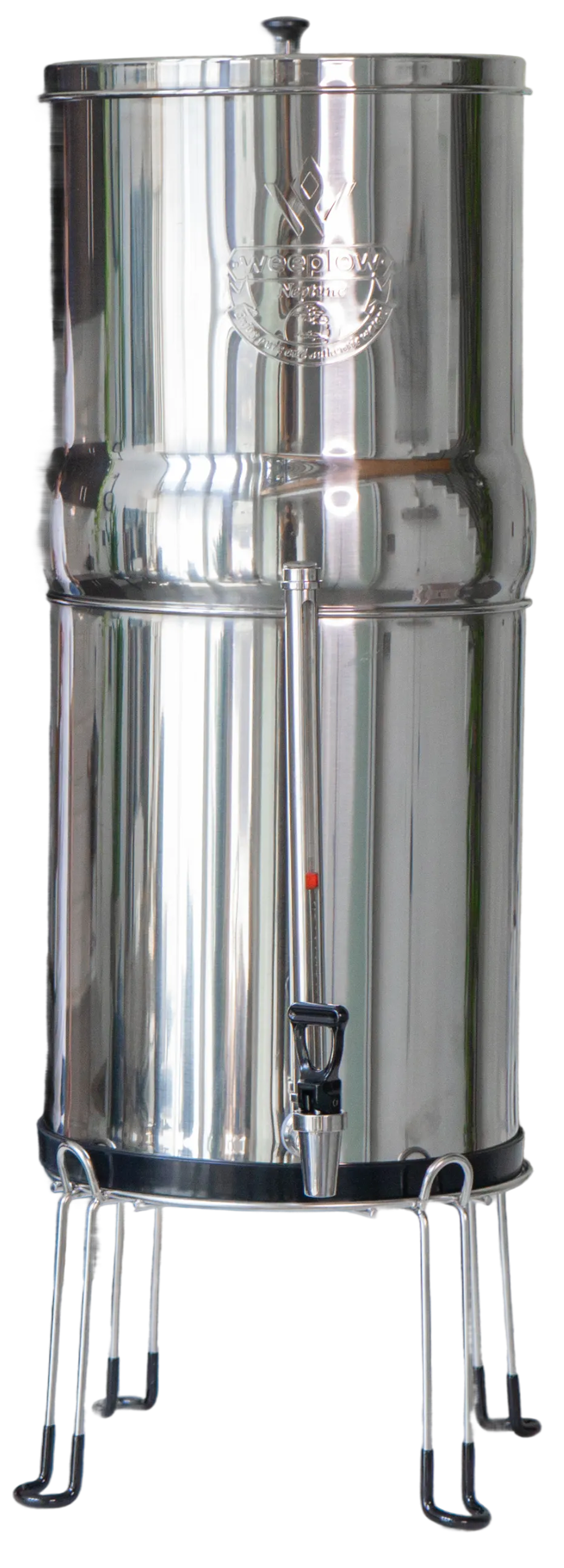
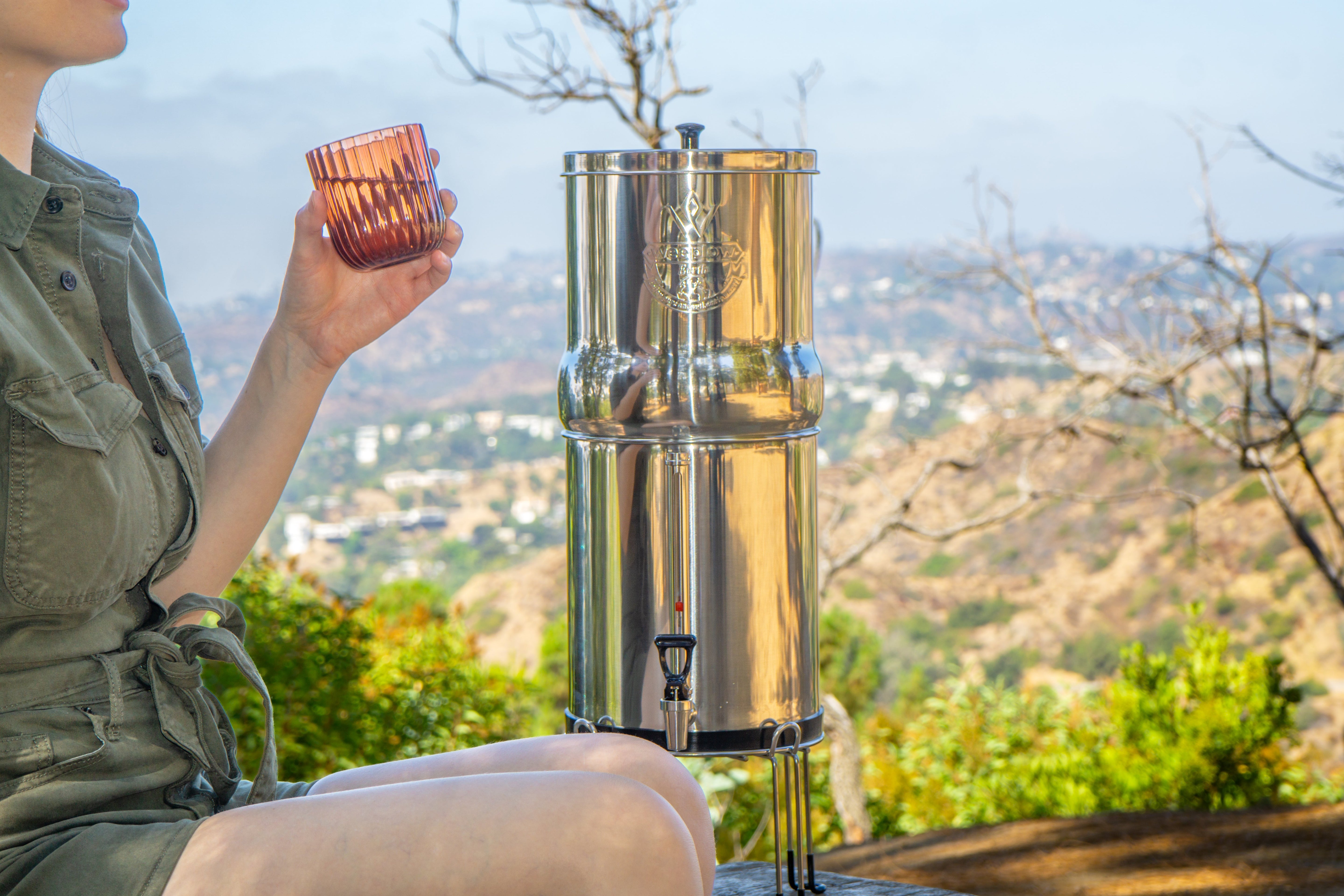
At Weeplow, we offer gravity water filters combined with activated carbon. This combination can help reduce many pollutants, such as heavy metals and chlorine.
The water tastes better, useful minerals are retained, and the system is easy to install in the kitchen or take with you while travelling.
Nitrates et méthémoglobinémie : quels risques pour l’eau du robinet ? Comprenez le lien entre ces deux éléments et ce que cela signifie pour votre eau au quotidien.
Researchers are increasingly studying the possible effects of chronic exposure to nitrates in drinking water. Here is what current research actually says about the potential risks associated with l...
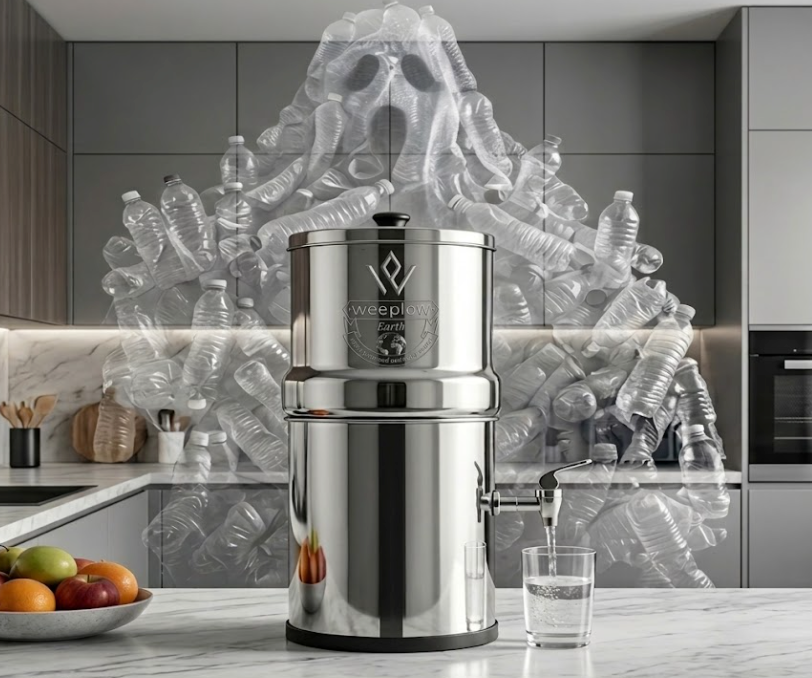
Introduction Each year, a French household spends hundreds of euros on bottled water. It is carried home from the supermarket, stored in the kitchen, reassured by the image of mountains on ...
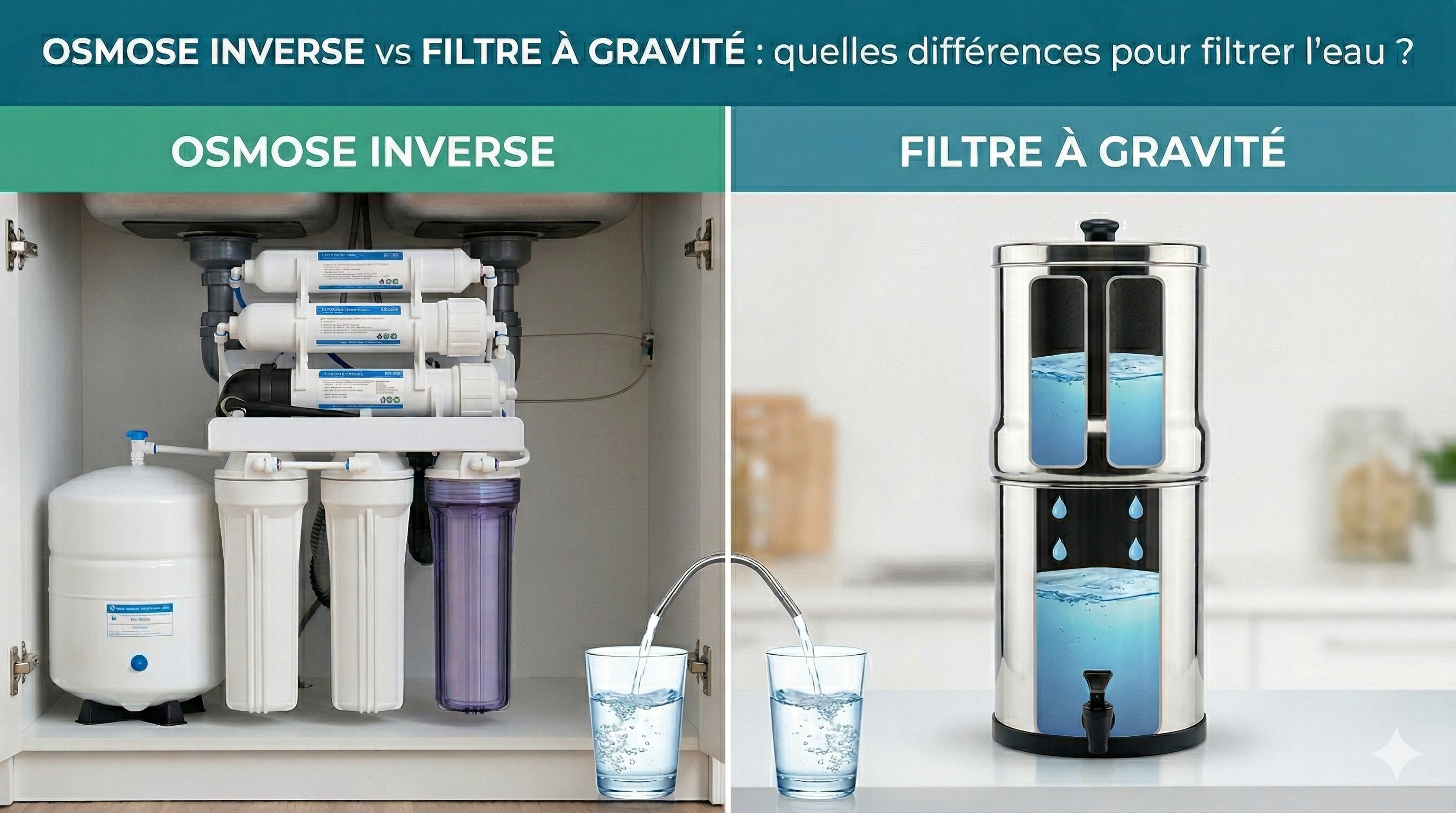
Reverse osmosis or a gravity filter: what are the differences when filtering drinking water? Discover how these two technologies work, along with their advantages and limitations for reducing conta...
Tap water is often treated to make it drinkable, but it can still contain traces of pollutants. These may include chlorine, pesticides, nitrates and pharmaceutical residues. These substances can ca...