


Researchers are increasingly studying the possible effects of chronic exposure to nitrates in drinking water. Here is what current research actually says about the potential risks associated with l...
Your Cart
(0 products)
Your cart is empty
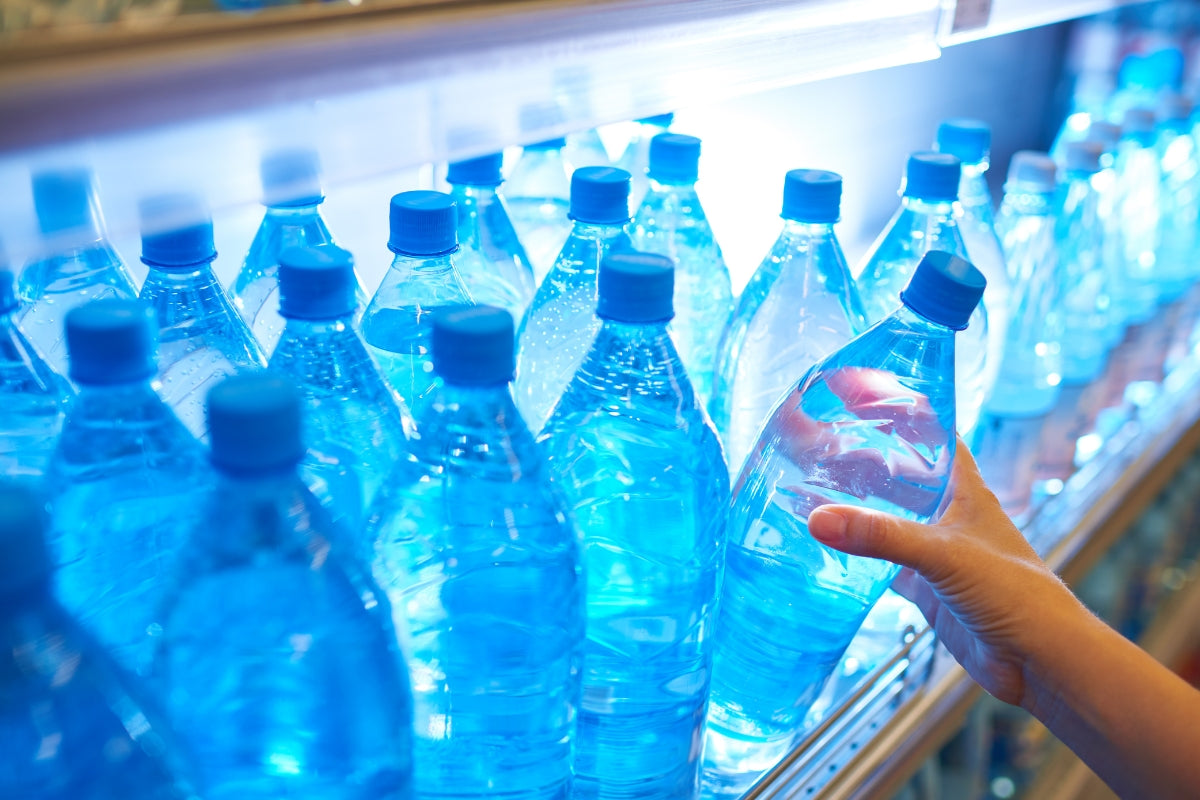
Bottled water, long seen as a symbol of purity and convenience, is now at the centre of a tax and environmental debate that could reshape everyday life in France. During the night from Wednesday to Thursday, the Senate voted for a major measure: VAT on these products would rise from 5.5% to 20%. This increase could redefine consumer habits and raise important questions about the management of natural resources. It could also generate millions of euros in extra revenue.
If the government presents this reform as an incentive to favour tap water, criticism has been immediate. Between environmental concerns, pressure on household budgets and controversial industrial practices, the decision comes at a time of growing unease over the ecological footprint of bottled water.
And while giants such as Nestlé remain under intense scrutiny, this vote has reopened deeper debates about the responsibilities of both the state and businesses in protecting the environment. But does this tax, approved by a show of hands, hide a wider scandal?
Over recent months, the market has been shaken by several announcements. Senators criticised the lack of government response to the bottled water scandal. In January 2024, investigations by Le Monde and Radio France reported that consumers had been misled by the label “natural mineral water”. These waters no longer matched the expected definition, as purification treatments had reportedly been used.
Non-compliant practices were highlighted in a report, and the state was criticised for failing to respond. The Senate has now proposed an increase, voting during the night of 27 to 28 November 2024, and it is unwelcome news for consumers.
The Nestlé Waters scandal has therefore raised political questions. Socialist senator Hervé Gillé stated that this tax policy, namely VAT, needed to be reconsidered. He believes resource management, corporate responsibility and environmental issues must be central to the discussion.
The group had acknowledged using prohibited disinfection systems, claiming it was intended to maintain food safety for mineral waters. However, this decision had been taken without informing consumers.
Another advantage of the measure is the potential financial gain. Senators estimated that such an increase could bring in between €150 million and €300 million per year. The reduced VAT rate on bottled water would therefore be removed and replaced with the standard 20% rate. The objective is also to encourage tap water consumption.

While the Senate has approved an amendment increasing the VAT rate on plastic bottled water, a broader question remains: how does this tax, supposedly designed to encourage greener consumer choices, fit within a context where public subsidies still support high-carbon sectors such as aviation or fossil fuels?
The measure, backed by senator Nadège Havet, sets a new tax framework for bottled waters. The intermediate VAT rate previously applied to natural mineral waters and spring waters would move to the standard rate.
At a time when the management of natural resources is becoming increasingly important, why not open a broader discussion on how the VAT collected should be redistributed? Would it be relevant to reinvest these funds into modernising filtered water infrastructure, treatment systems or campaigns encouraging tap water use?
The debate, reignited by media revelations about questionable industrial practices and the environmental issues linked to plastic bottles, shows that taxation could become a coherent tool for ecological transition rather than a simple short-term revenue measure. Without that wider reflection, the issue could become politically explosive before implementation.
Tap water also faces genuine public mistrust, even though it is monitored. Risks linked to contamination do exist and should not be ignored. Pathogens such as E. coli and Salmonella can occasionally be present in tap water. These microorganisms are particularly concerning because they can cause symptoms ranging from mild illness to serious complications.
Vomiting, diarrhoea and severe complications in young children are real risks that should not be overlooked. Tap water is therefore not 100% risk-free.
Analyses by ANSES identified the presence of 1,4-dioxane, an industrial solvent classified by international health bodies as a possible human carcinogen. This chemical compound was detected in groundwater across nine French regions (Île-de-France, Auvergne-Rhône-Alpes, Bourgogne-Franche-Comté, Centre-Val de Loire, Grand Est, Hauts-de-France, Nouvelle-Aquitaine, Occitanie and Pays de la Loire).
Contamination of these underground resources, often used for drinking water, could affect millions of consumers. In France, where many municipalities depend on groundwater supplies, the findings underline the urgency of monitoring and evaluating public health risks.

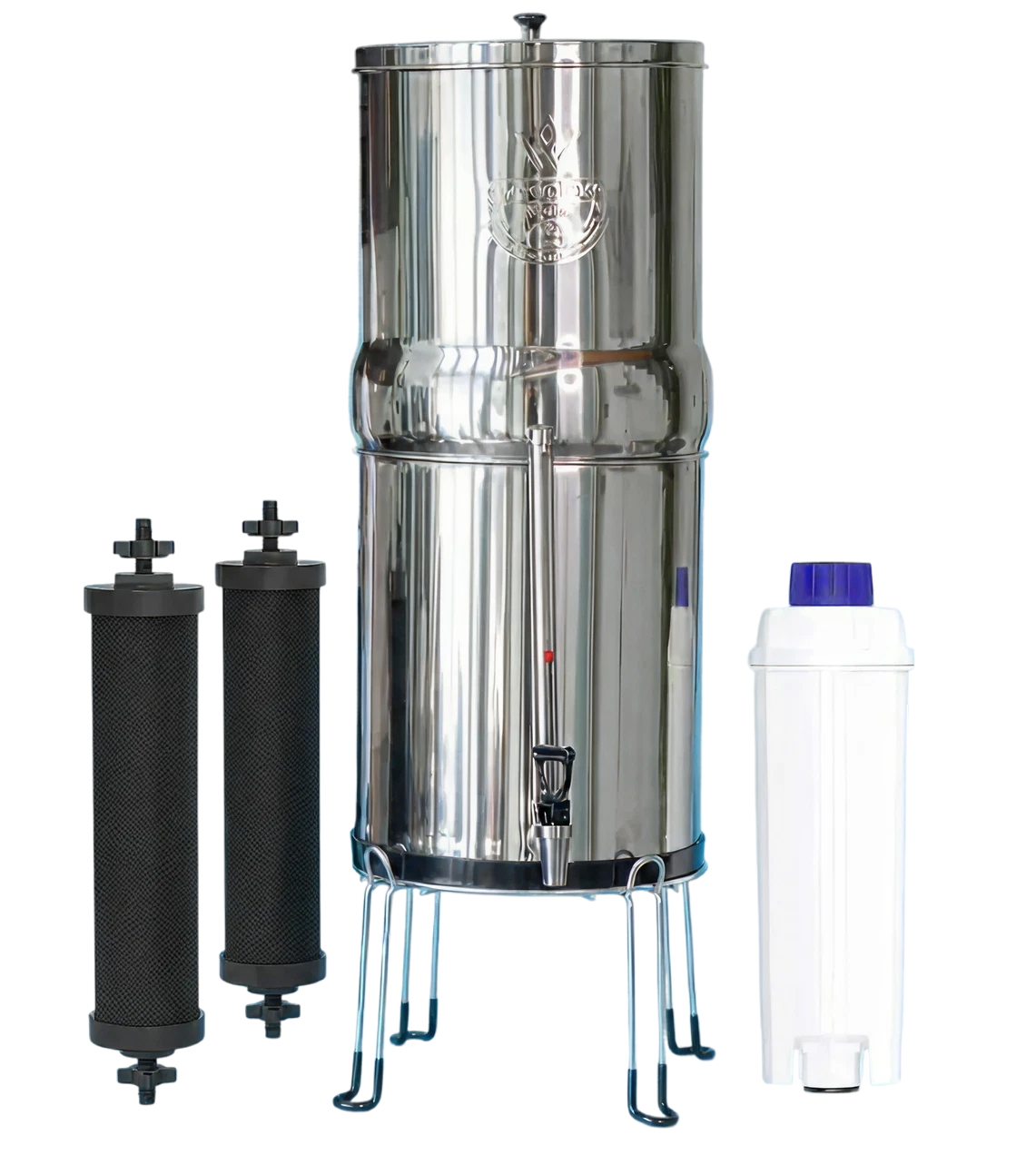
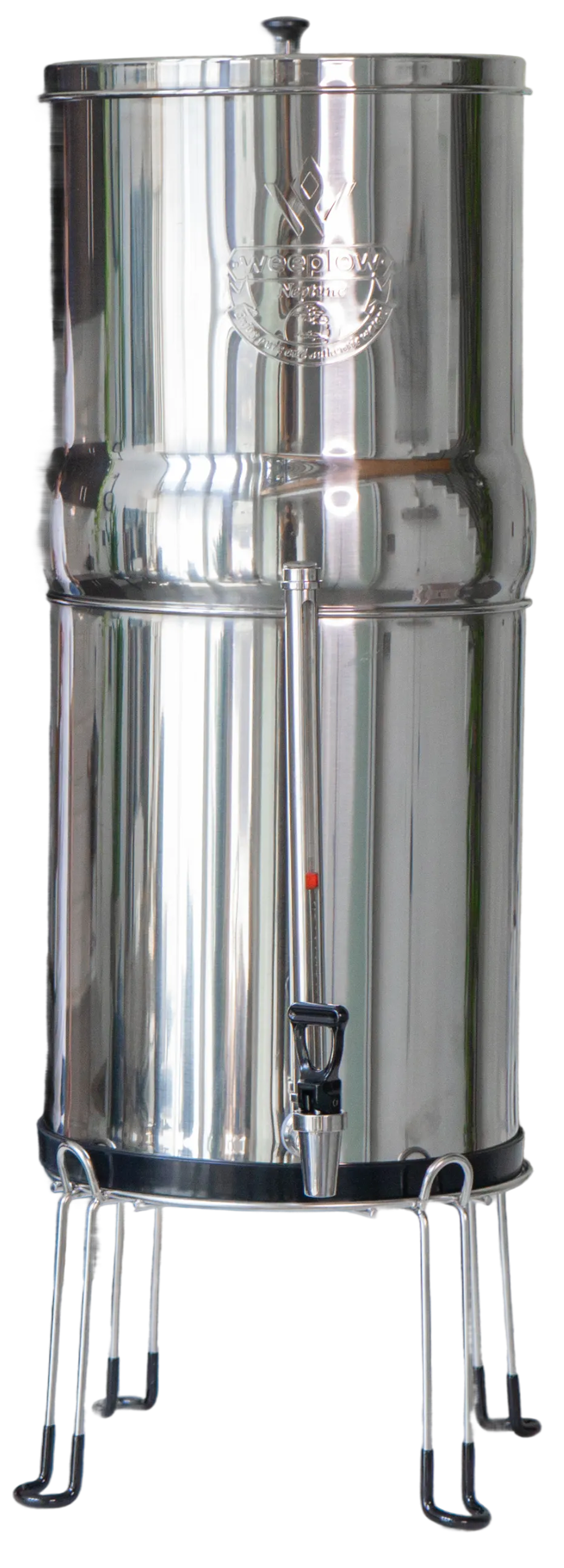
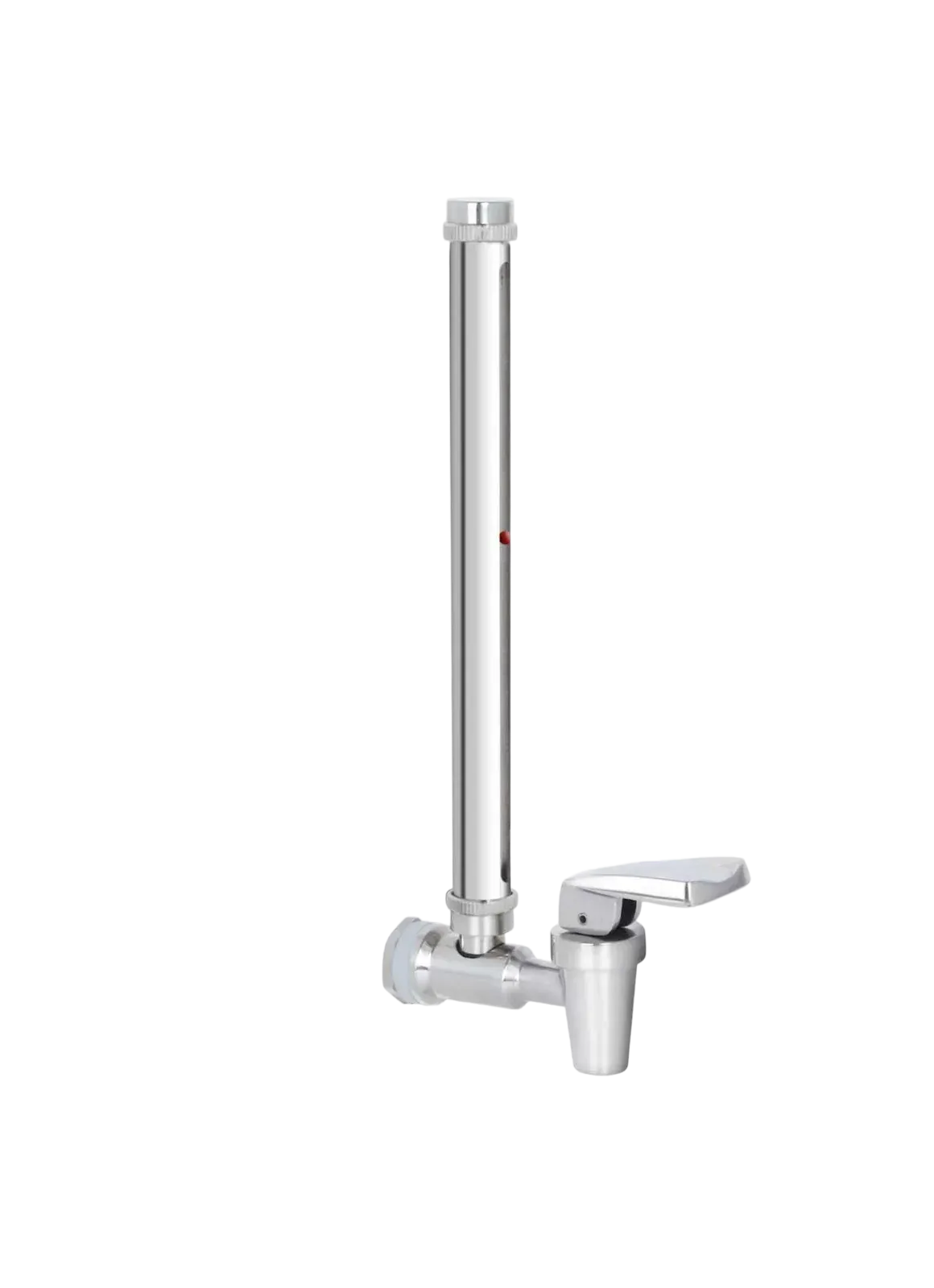
On one side, bottled water may become significantly more expensive with VAT rising from 5.5% to 20%. On the other, tap water can sometimes be polluted or potentially harmful to health. A practical solution remains filtration. At Weeplow, we use a gravity water filter that can reduce up to 99.99% of certain bacteria such as E. coli. It can also help reduce heavy metals and pesticides.
The process is also very simple:
It is easy to transport and can also be used to filter rainwater or borehole water. In this way, you can avoid the impact of higher bottled water prices.
VAT may be higher, but these containers also increase environmental pollution. Senator Nadège Havet, who proposed the amendment, stated that bottled water carbon emissions are 2023 times higher than those of tap water.
In any case, if this increase approved in November is confirmed, it would mark a turning point in environmental taxation. Although intended to encourage consumers to favour tap water, it raises questions far beyond economics.
Between environmental impact, contested industrial practices and health concerns linked to drinking water, it highlights fundamental contradictions in the management of natural resources and household consumption choices.
Researchers are increasingly studying the possible effects of chronic exposure to nitrates in drinking water. Here is what current research actually says about the potential risks associated with l...
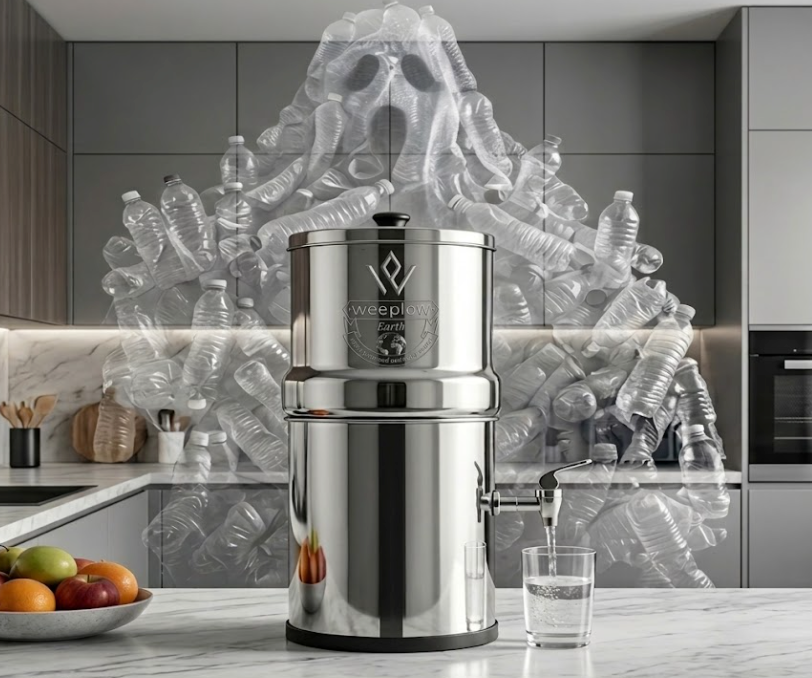
Introduction Each year, a French household spends hundreds of euros on bottled water. It is carried home from the supermarket, stored in the kitchen, reassured by the image of mountains on ...
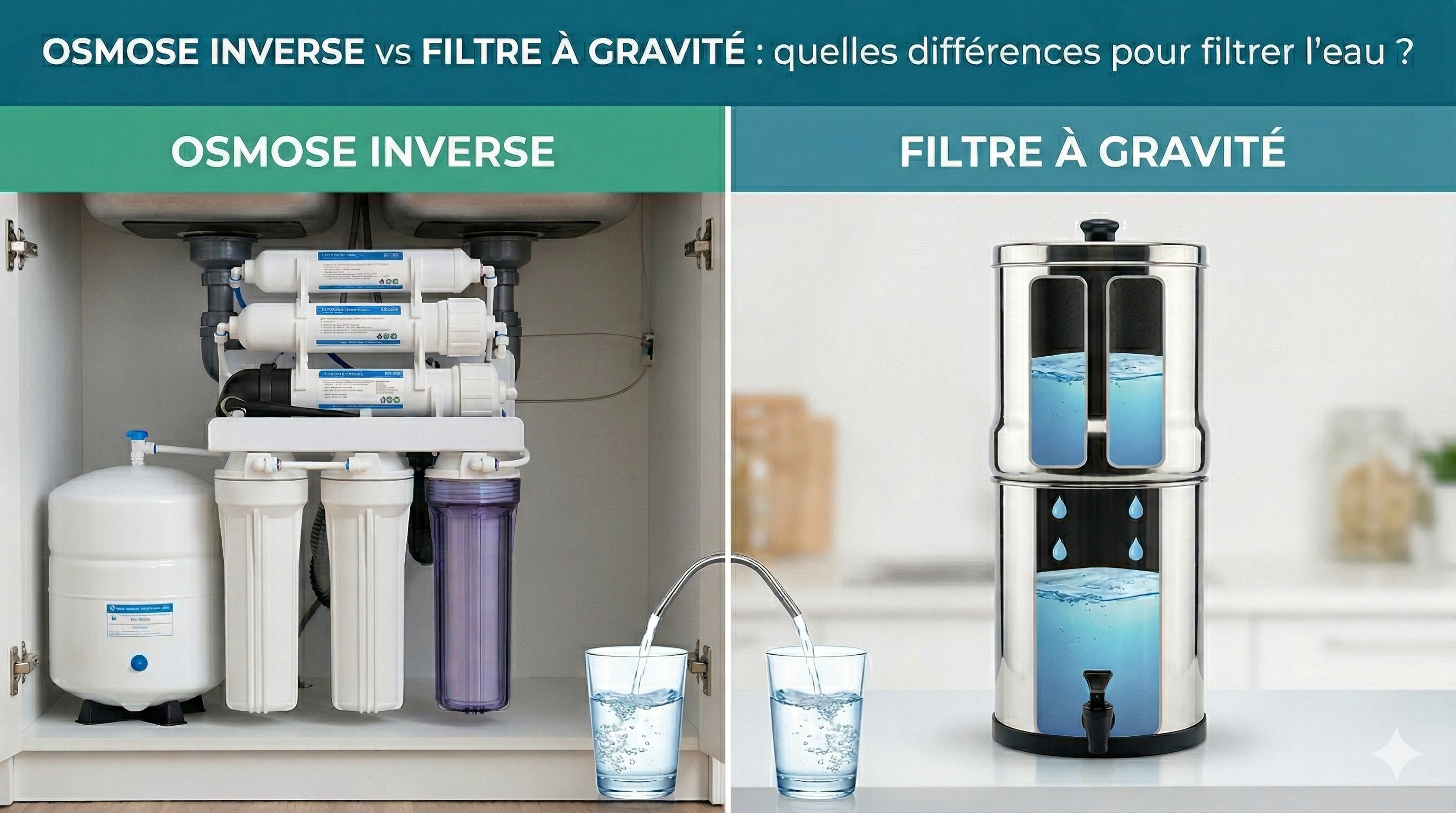
Reverse osmosis or a gravity filter: what are the differences when filtering drinking water? Discover how these two technologies work, along with their advantages and limitations for reducing conta...
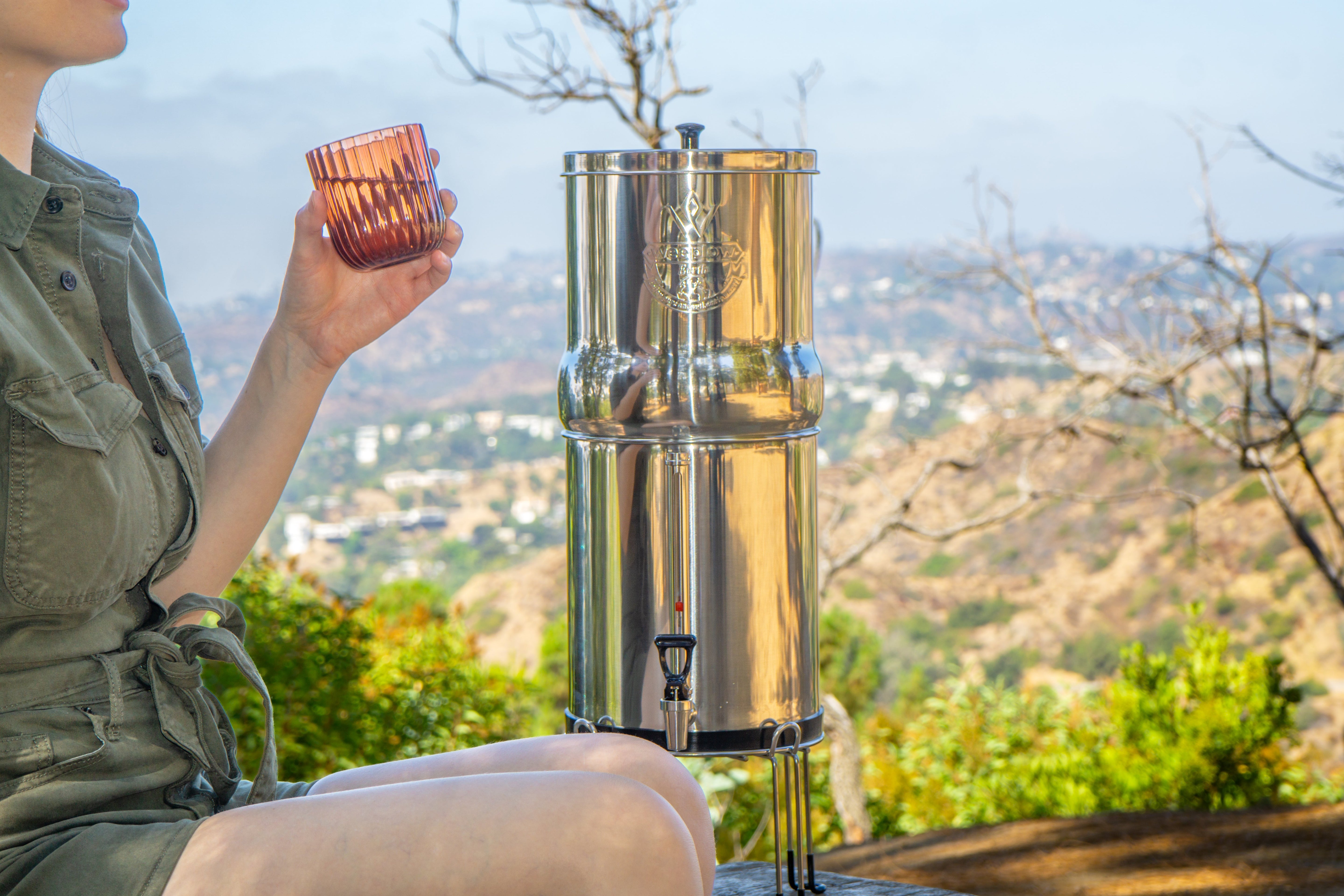
Tap water is often treated to make it drinkable, but it can still contain traces of pollutants. These may include chlorine, pesticides, nitrates and pharmaceutical residues. These substances can ca...
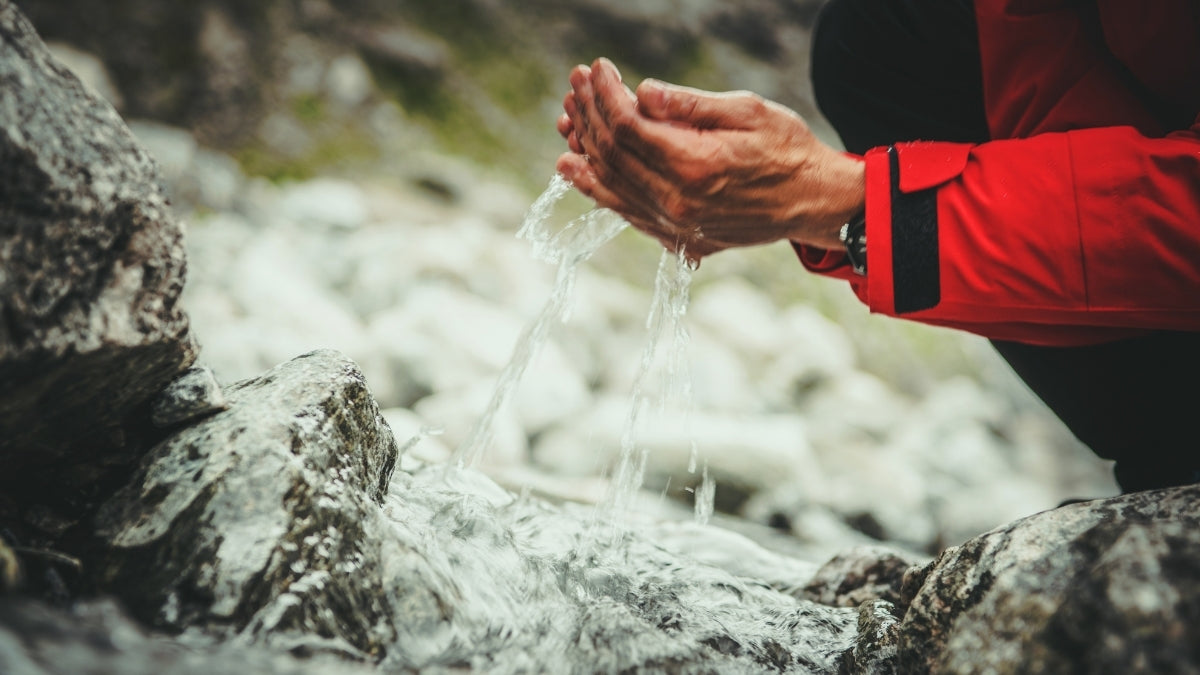
Drinking water is an essential resource, but it can quickly become threatened during a crisis. In the wild, access to it may also be compromised. You should therefore know different ways to find, p...