


Researchers are increasingly studying the possible effects of chronic exposure to nitrates in drinking water. Here is what current research actually says about the potential risks associated with l...
Your Cart
(0 products)
Your cart is empty
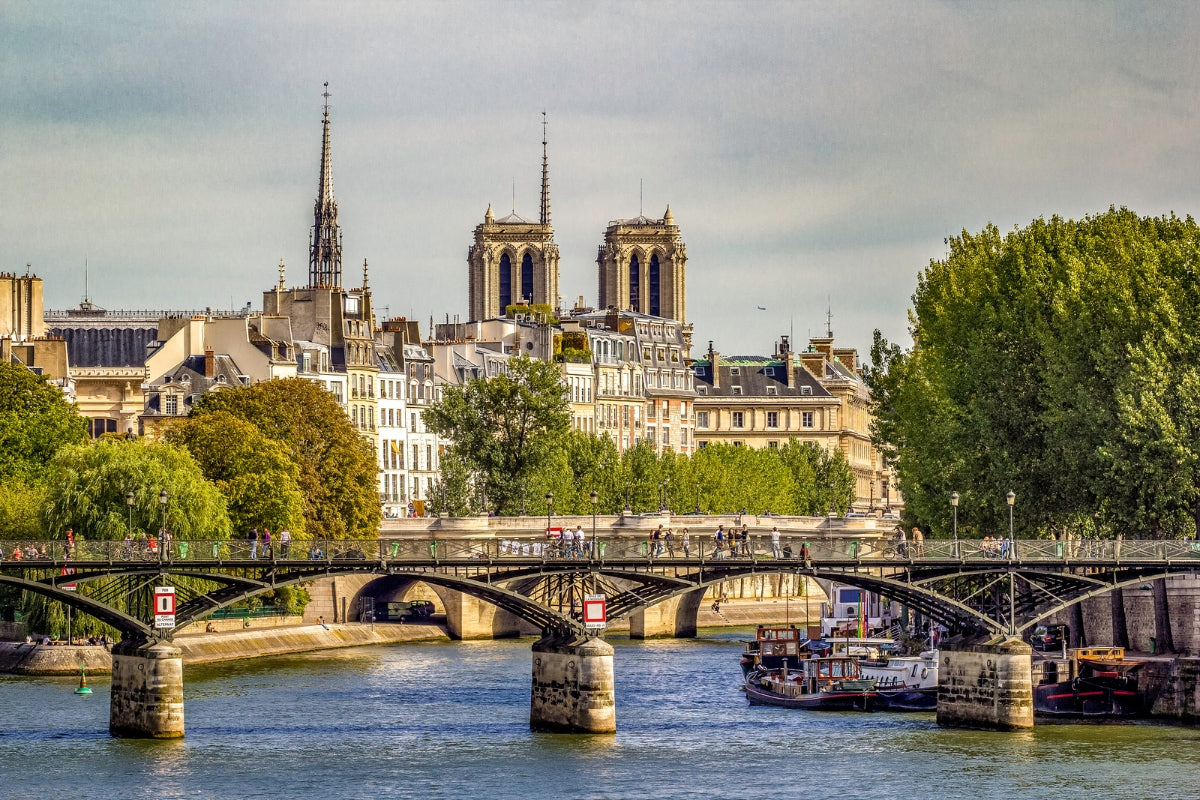
During the Paris 2024 Olympic Games, all eyes turned to the Seine, the iconic river chosen to host open-water swimming and triathlon events. As athletes prepared to dive in, water quality became a major concern. Samples taken at key sites, including Pont Alexandre III and the Bercy basin, revealed troubling results.
Between intestinal enterococci, Escherichia coli and other bacteria, questions quickly arose over whether pollution levels truly met European standards. Recent storms and heavy rainfall only increased concerns among authorities and environmental groups such as Surfrider.
In the days following the closing ceremony on 11 August, new revelations emerged. Contrary to earlier public assurances, reports suggested the Seine’s water quality was often below the required level. So what were the real health risks, and what do the official analyses actually reveal?
When river water is tested for bathing safety, two of the main indicators are Escherichia coli and enterococci. These bacteria can indicate faecal contamination and an increased risk of illness when present in excessive amounts.
Athletes exposed to polluted water could potentially experience:
Heavy rain can worsen the problem, as combined sewer systems may overflow during storms, allowing wastewater to enter the river. This was one of the major concerns before several Olympic events.
| Condition | Common Symptoms |
|---|---|
| Gastroenteritis | Diarrhoea, vomiting, abdominal pain, fever |
| Swimmer’s rash | Itching, redness, skin irritation |
| Leptospirosis | High fever, headache, vomiting, chills, muscle pain |
In 2015, the Île-de-France region launched a major clean-up plan worth €1.4 billion to improve the Seine and Marne ahead of the Games.
Funding came from multiple public bodies, including the Paris municipality, the regional prefecture, the Seine-Normandy Water Agency, sanitation authorities and surrounding departments.

Major infrastructure projects included:
These investments aimed to modernise wastewater systems and reduce pollution entering the river after storms.
Reports based on laboratory data suggested that during the Olympic period, the Seine met the required quality thresholds only part of the time.
This highlighted how variable river water quality can be, especially when weather conditions change quickly.
Following the open-water races, several athletes publicly described symptoms such as vomiting, nausea or diarrhoea. While it is difficult to attribute illness to a single cause without medical confirmation, the reports intensified public scrutiny.

These reactions also reopened debate over whether political and symbolic goals had overtaken practical health concerns.
Paris authorities have long said the Olympic project was not only about sport, but also about returning the Seine to public use.
Plans include supervised bathing areas for residents and tourists, with designated swimming zones, changing areas and showers. Their long-term success will depend on continued monitoring and consistent water quality.
The Seine story shows how difficult it can be to restore water quality in a densely populated city with ageing sewer infrastructure and weather-related pollution surges.
Even after major investment, water safety can remain highly dependent on rainfall, treatment capacity and transparent monitoring.
It is also a reminder that the water people consume at home deserves the same level of attention. Many households choose additional filtration for greater peace of mind.
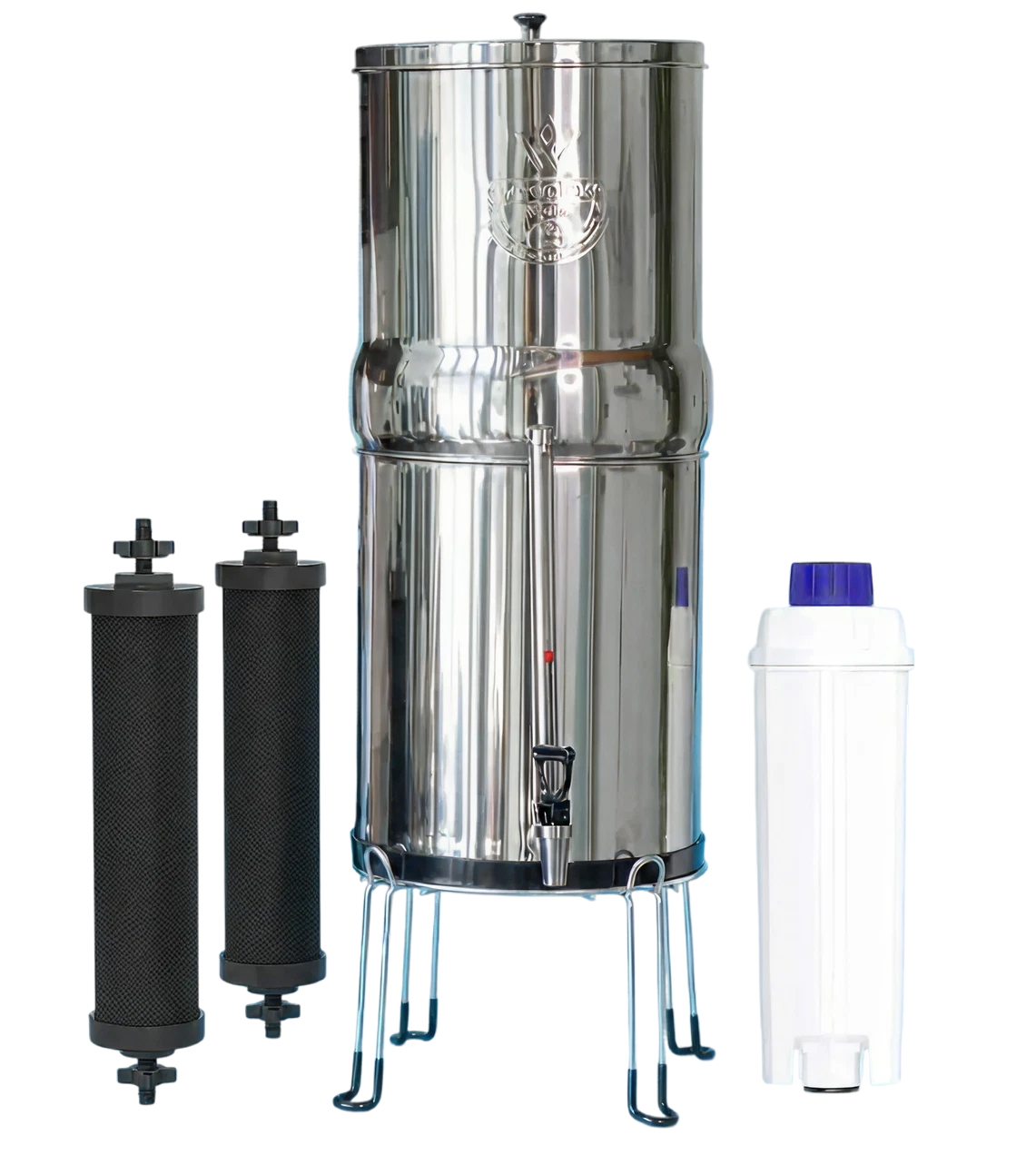
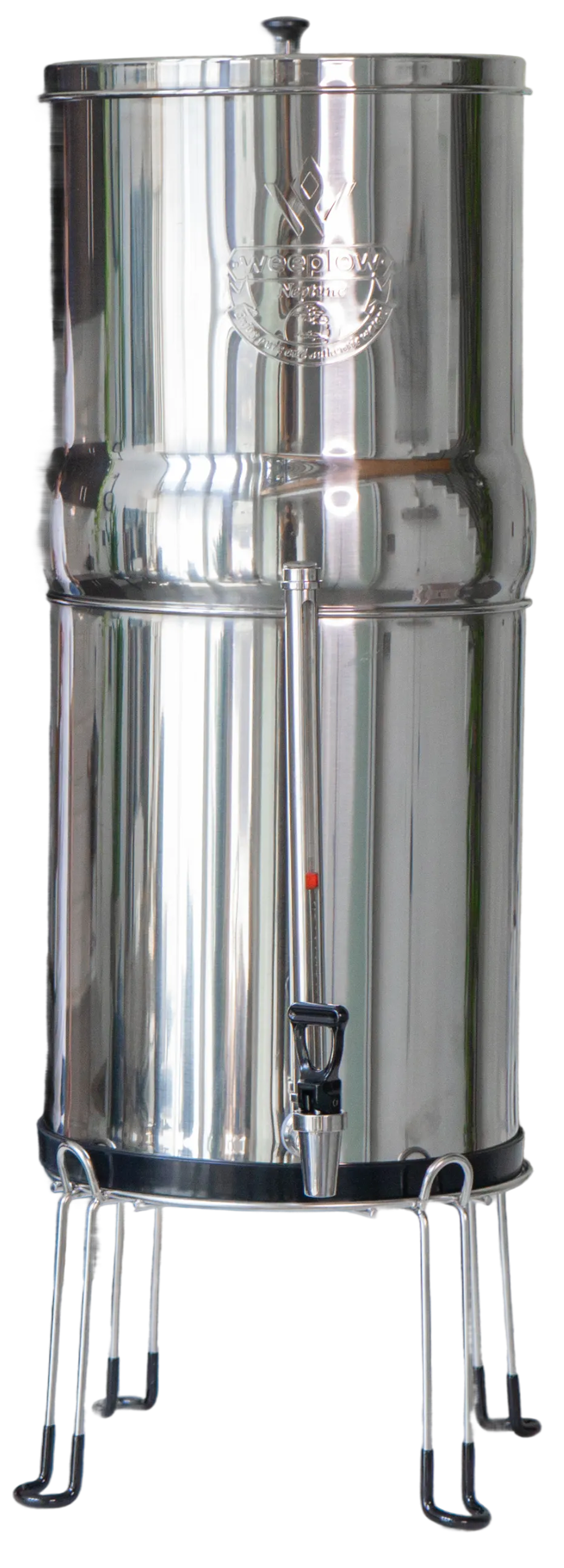
At Weeplow, our gravity water filtration systems help reduce bacteria, unwanted contaminants and impurities—giving you cleaner water to drink at home, whatever is happening outside.
Researchers are increasingly studying the possible effects of chronic exposure to nitrates in drinking water. Here is what current research actually says about the potential risks associated with l...
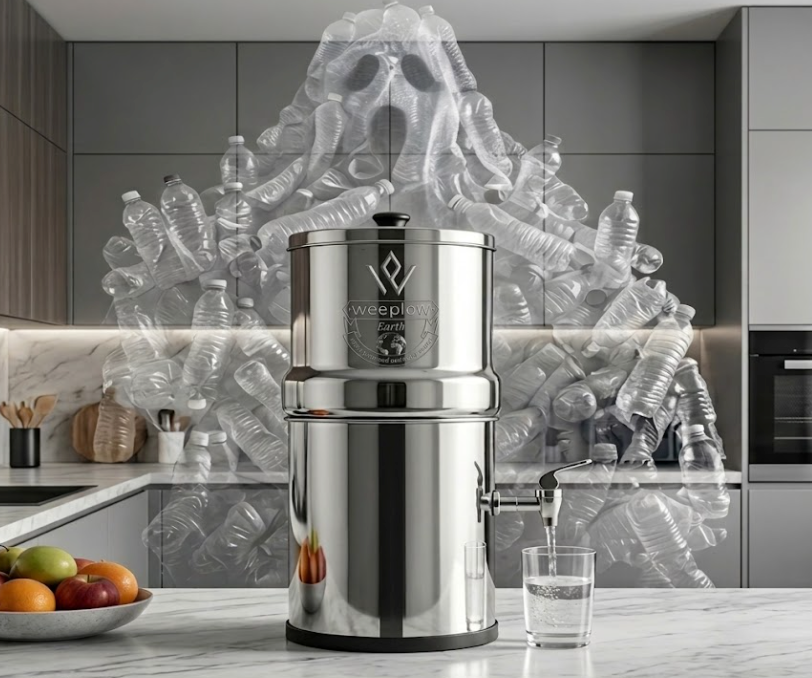
Introduction Each year, a French household spends hundreds of euros on bottled water. It is carried home from the supermarket, stored in the kitchen, reassured by the image of mountains on ...
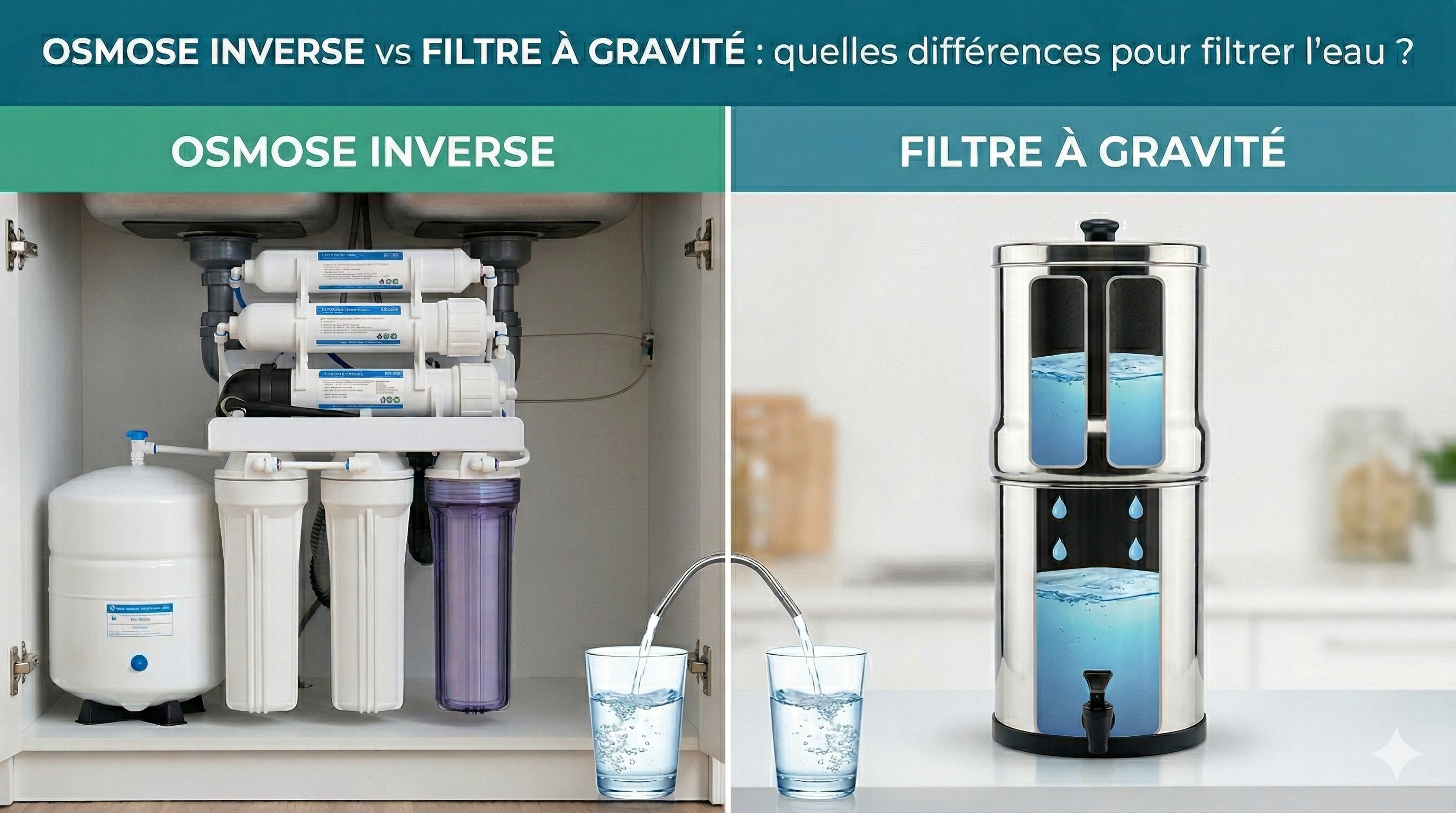
Reverse osmosis or a gravity filter: what are the differences when filtering drinking water? Discover how these two technologies work, along with their advantages and limitations for reducing conta...
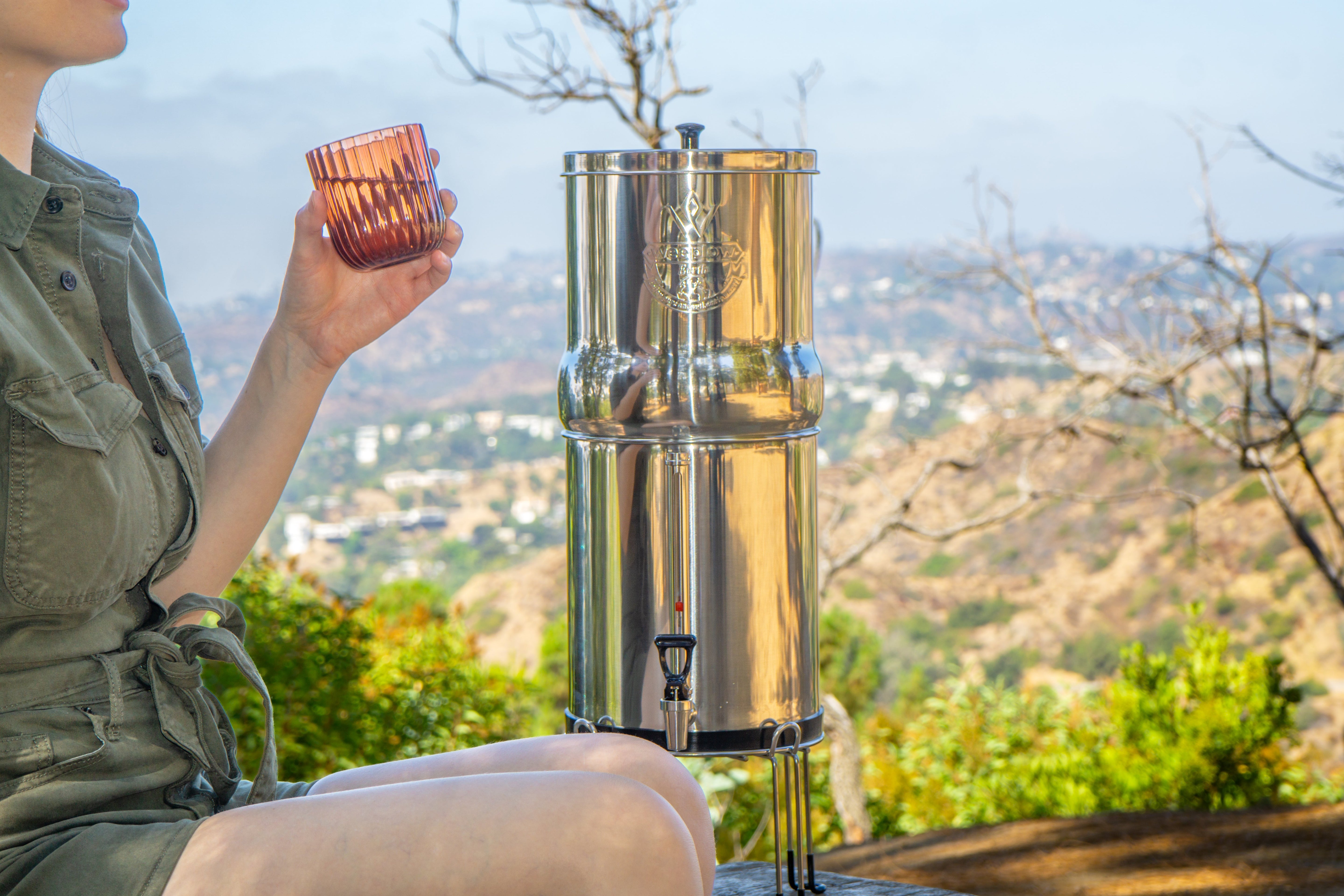
Tap water is often treated to make it drinkable, but it can still contain traces of pollutants. These may include chlorine, pesticides, nitrates and pharmaceutical residues. These substances can ca...
Drinking water is an essential resource, but it can quickly become threatened during a crisis. In the wild, access to it may also be compromised. You should therefore know different ways to find, p...