


Researchers are increasingly studying the possible effects of chronic exposure to nitrates in drinking water. Here is what current research actually says about the potential risks associated with l...
Your Cart
(0 products)
Your cart is empty
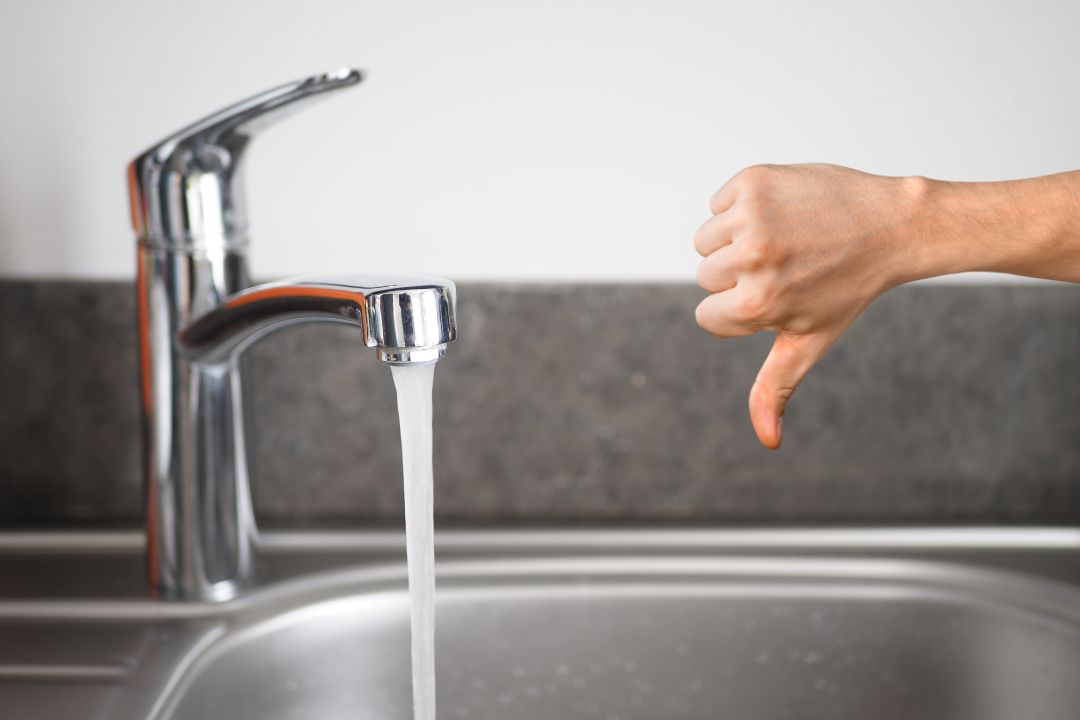
Safe drinking water is essential for human life and sustainable development. It is vital for health, hygiene, industry and much more. Yet access to clean and safe drinking water remains a major challenge for many populations around the world.
For example, tap water quality can be affected by various factors such as microbiological contamination, chemical pollution or heavy metals. Ageing infrastructure also plays a role. In this article, we explain why drinking tap water may sometimes be discouraged, as well as alternatives to help ensure access to safe water in your home.
If tap water flows freely into homes, its quality can sometimes be compromised, exposing consumers to health risks. Here are the main types of contaminants:
The French Agency for Food, Environmental and Occupational Health & Safety (ANSES) recently carried out an study into the presence of chemical contaminants in tap water in France.
The findings were concerning:
Naturally, long-term exposure to these contaminants may have harmful effects on public health.
Pesticides can travel through the environment before ending up in tap water. Their presence may affect the nervous system, impair cognitive function and increase the risk of Parkinson’s disease. They may also affect the endocrine system, including hormonal disruption, early puberty and reproductive problems.
There may also be a higher risk of certain cancers, particularly lymphoma and prostate cancer.
Groundwater contamination, from which much tap water is sourced, by explosive residues can pose risks to the nervous and reproductive systems. Consumption may be linked to the following health problems:
There may also be an increased risk of liver and bladder cancer.
1,4-dioxane is an industrial solvent used in the manufacture of many products such as cosmetics, detergents and pesticides. Exposure to this chemical substance, even at low levels, may have harmful effects on health, including:
Although tap water quality is generally trusted across much of Europe, it is not always free from harmful micro-organisms. Biofilms — colonies of microbes that build up on the inside of water pipes — may encourage the spread of bacteria and germs.
Two categories of germs are commonly discussed in drinking water: those that live in water and those that survive in it.
Among the bacteria capable of living in tap water are:
Here are some bacteria and viruses able to survive in tap water (at least for a period of time):
Drinking water contaminated by heavy metals may have serious effects on human health. Metals such as mercury, lead, cadmium and arsenic can enter water supplies through industry, agriculture and waste disposal.
For example, lead, cadmium and arsenic are established carcinogens. Other public health risks linked to heavy metals include:
It is worth noting that some people in the home are more vulnerable than others. Children’s developing bodies are more sensitive to the toxic effects of heavy metals, while older adults often have more fragile kidneys and immune systems.
Although the French mains water system is generally monitored and compliant with drinking water standards, water quality may still be altered during transport and storage in pipework.
Here are some of the limitations of existing water treatment systems:
In France, strict regulations based on European directives are intended to safeguard water quality from source to tap. Throughout treatment and distribution, water is subject to regular sampling and analysis by regional public health agencies and other authorities.
However, with growing challenges linked to pollution, ageing infrastructure and changing treatment methods, current standards may sometimes show limitations. Increasingly advanced treatment processes may create by-products whose long-term health effects are not yet fully understood.
Although most people in France still drink tap water regularly, a concerning trend has emerged: tap water consumption has been falling steadily since 1995.
According to a French survey (PDF), the reasons for this decline are varied, including unpleasant taste and smell. Water colour has also raised concerns, with several reports of discoloured water distributed through the public supply in Saint-André-de-Sangonis, near Montpellier.
Some people who avoid tap water believe these quality issues are not limited to one town or region, but affect the whole country. This view may also be influenced by scandals involving major water companies accused of hiding chemical pollutants or bacteria in their products.
Distrust of tap water also increases wider concerns about water pollution and fuels doubts about transparency, even when information is based on real data. Some people even believe wastewater is simply treated and then redistributed directly through taps.
If you have concerns about water quality in your area, you can contact your regional health agency. Tap water quality can vary from one region to another — and even from one neighbourhood to another. Much depends on the source water, treatment methods and the condition of the distribution network.
Several alternatives exist to address the limitations of tap water regulation and quality monitoring, including bottled water and domestic filtration systems.
Bottled water can be useful in certain situations, such as travelling in areas where tap water is not safe to drink. While water is generally safe across most of France, in some rural areas quality may be affected by agricultural contaminants.
For everyday use, tap water usually remains the most practical choice. Although bottled water is often seen as purer, it is not free from issues. Microplastics have been detected in some brands, and cases of non-compliance with standards have been reported.
In addition, bottled water production uses significant energy and resources, while generating billions of plastic bottles that pollute the environment. Its cost is also generally far higher than tap water.
Home filters use different technologies to capture impurities present in tap water. For example, they may:
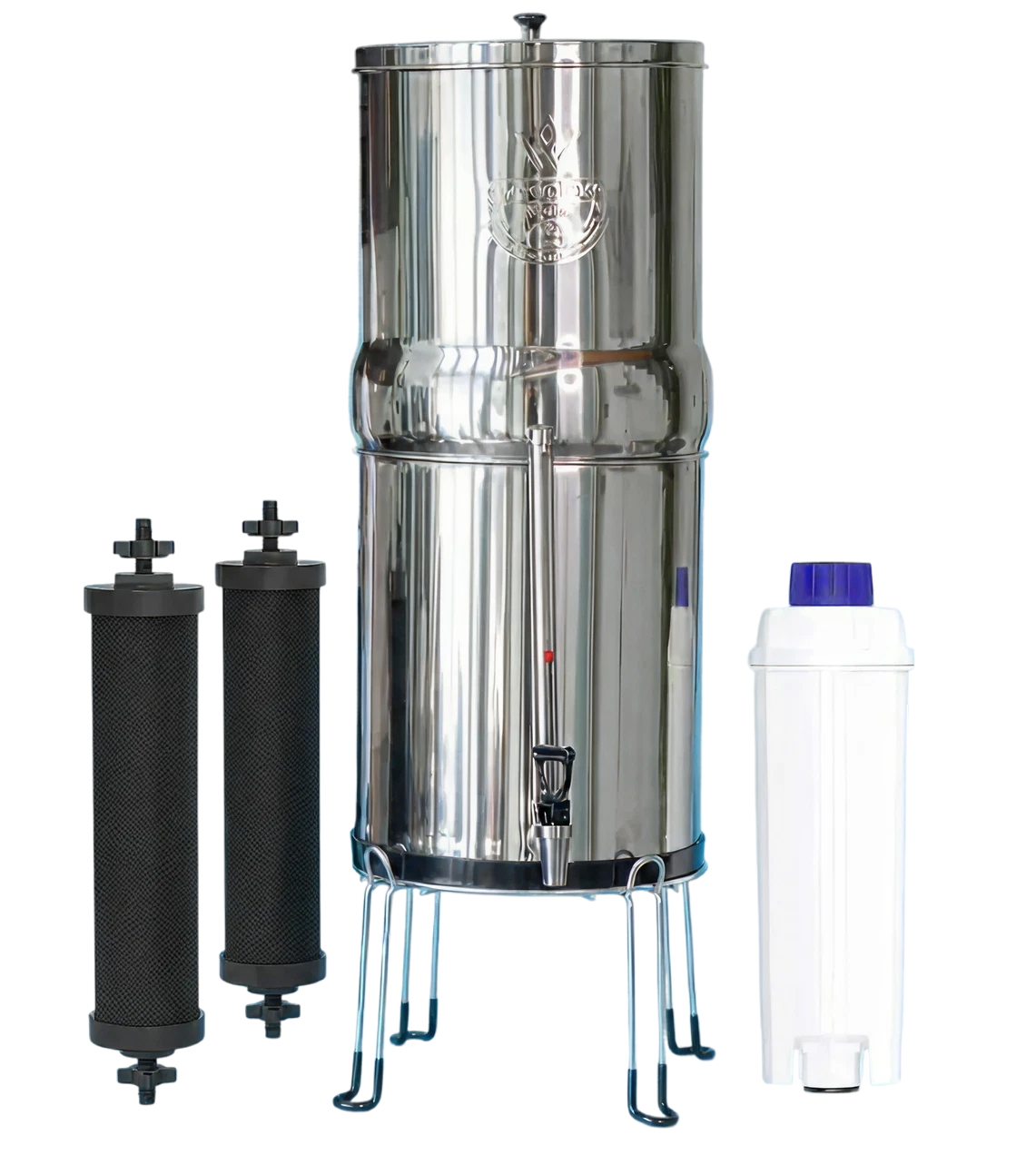
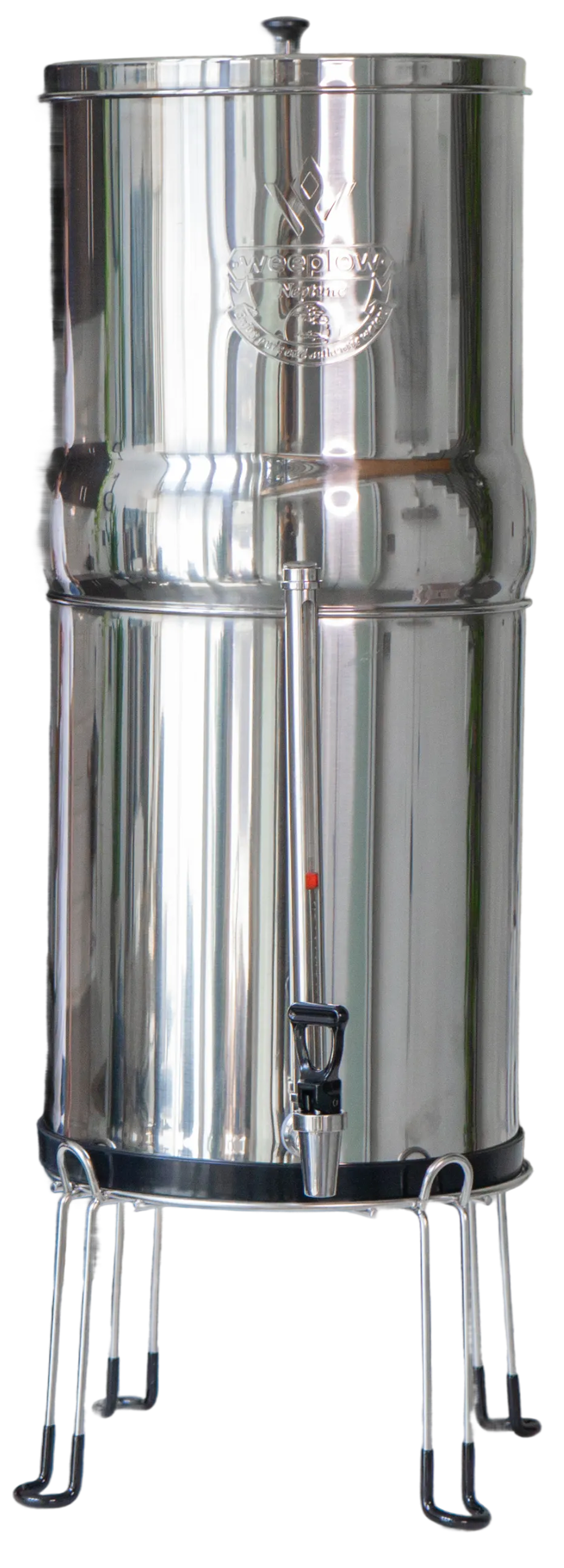
Activated carbon filters are among the most common. Activated carbon is a porous material that absorbs organic impurities such as chlorine, pesticides and chemicals. In addition to using this effective technology, Weeplow filtration systems are available in different sizes to help meet your household’s daily water needs.
Tap water in France is generally subject to strict monitoring and high drinking water standards. However, given the limitations of treatment and distribution systems, it is important for consumers to remain vigilant and take certain steps to ensure quality.
For example, maintain your taps and pipework, as poor condition fixtures may contaminate water. Considering the environmental impact of bottled water, filtered tap water is often the better option where possible.
Browse our selection of gravity-fed filtration systems to find the solution that helps you drink tap water with greater confidence.
Researchers are increasingly studying the possible effects of chronic exposure to nitrates in drinking water. Here is what current research actually says about the potential risks associated with l...
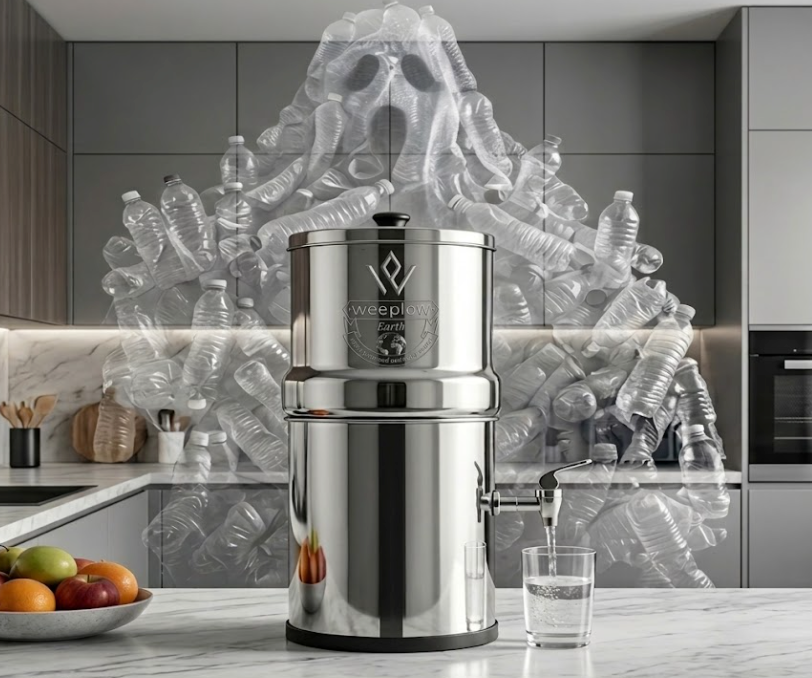
Introduction Each year, a French household spends hundreds of euros on bottled water. It is carried home from the supermarket, stored in the kitchen, reassured by the image of mountains on ...
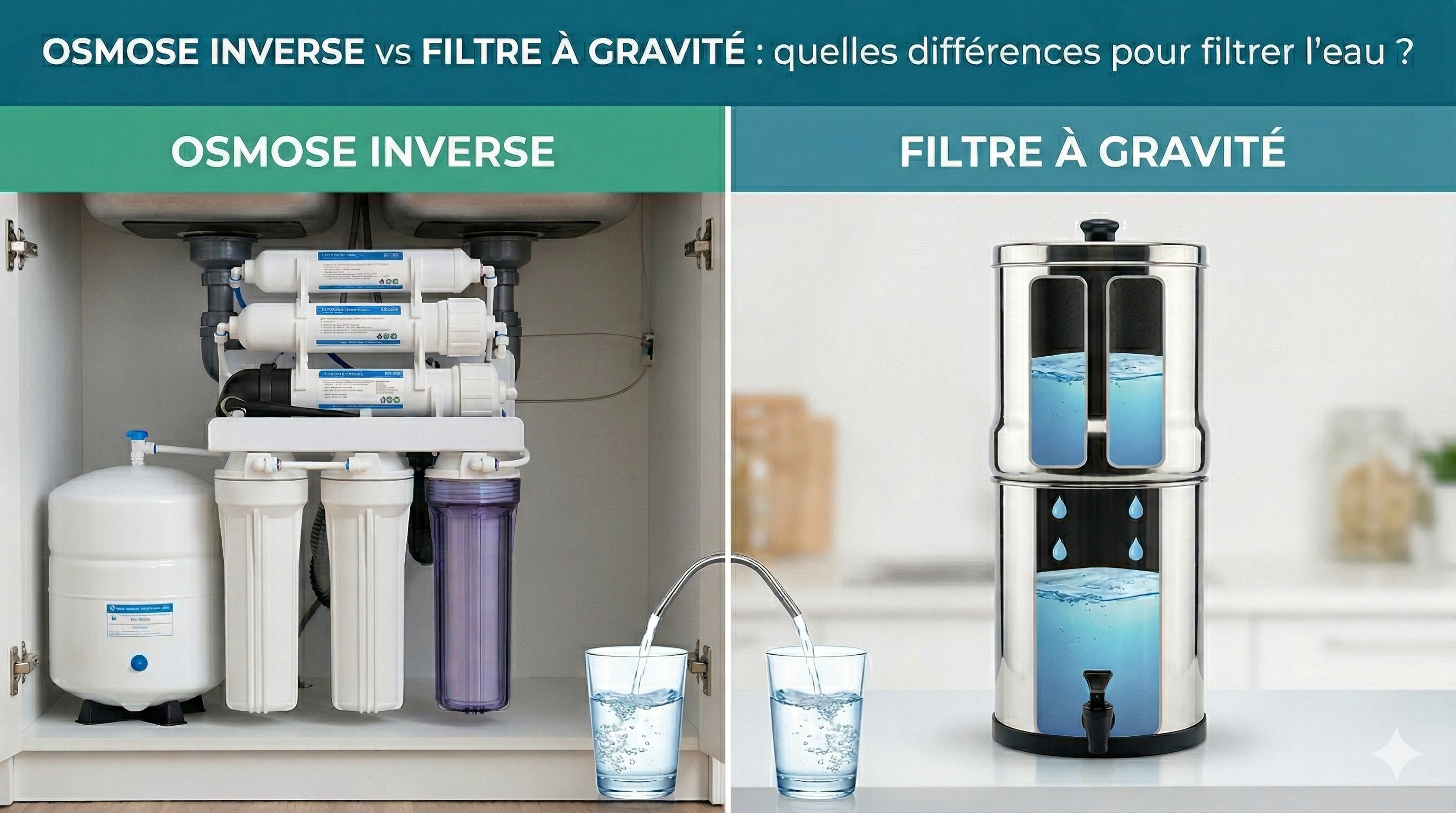
Reverse osmosis or a gravity filter: what are the differences when filtering drinking water? Discover how these two technologies work, along with their advantages and limitations for reducing conta...
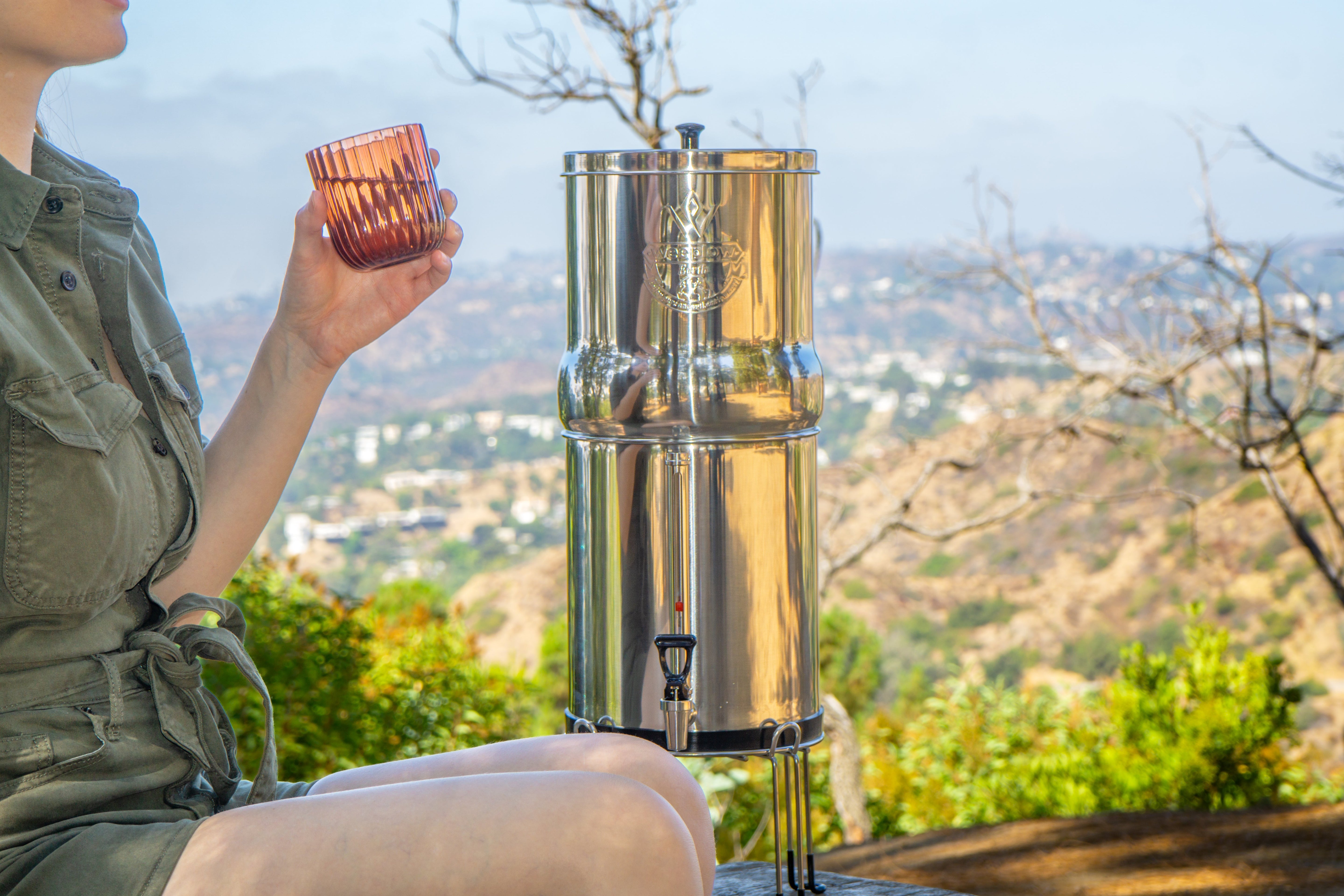
Tap water is often treated to make it drinkable, but it can still contain traces of pollutants. These may include chlorine, pesticides, nitrates and pharmaceutical residues. These substances can ca...
Drinking water is an essential resource, but it can quickly become threatened during a crisis. In the wild, access to it may also be compromised. You should therefore know different ways to find, p...