


Consigne de faire bouillir l’eau : causes, risques et solutions. Comprenez quand et pourquoi ces recommandations sont émises et comment réagir.
Your Cart
(0 products)
Your cart is empty
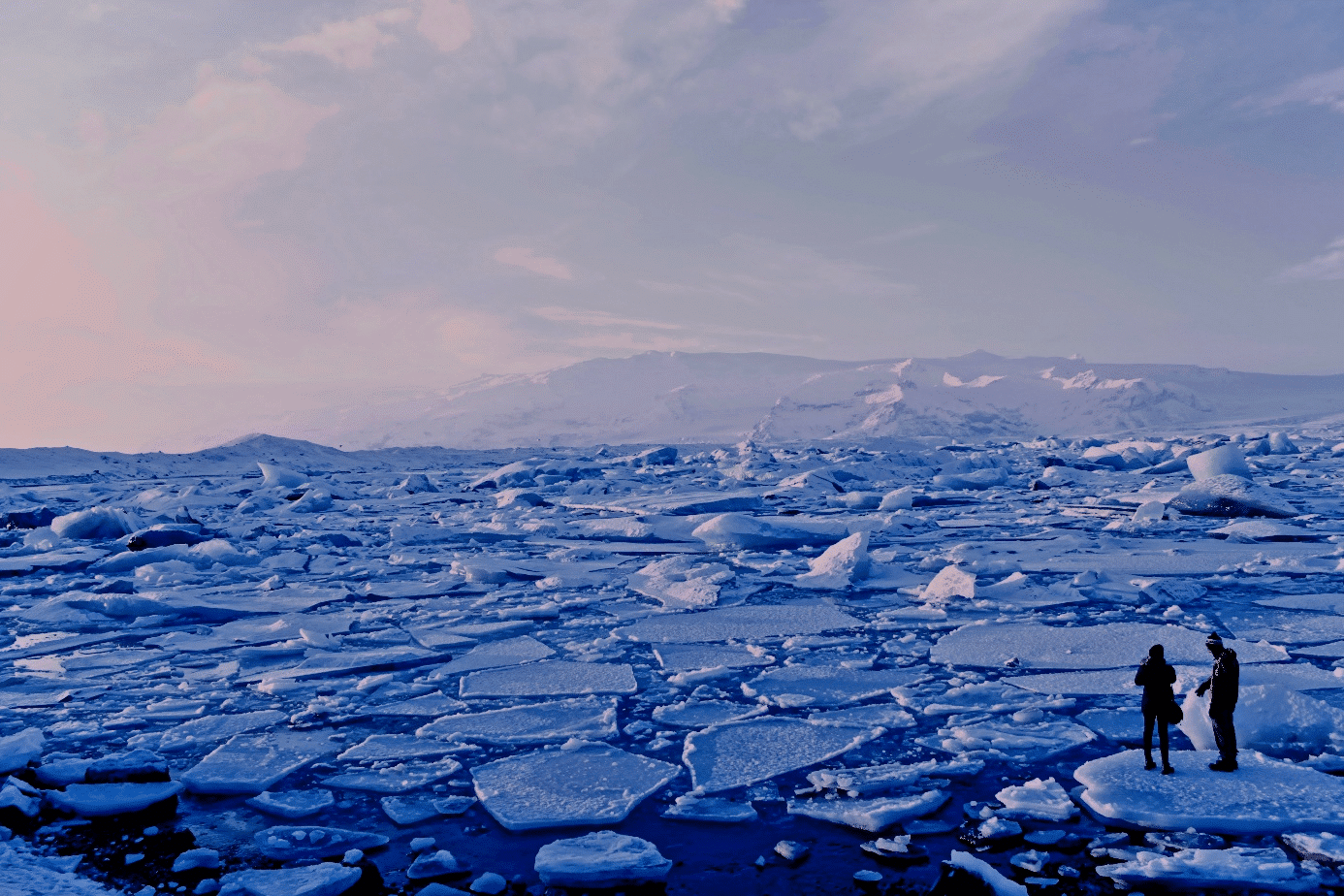
It can be difficult to make the connection directly. Yet the reality is clear. Because of global warming, the Earth is facing more and more natural disasters. In many regions of the world, especially high-risk areas, the price to pay is severe. Having access to good-quality water every day is becoming a growing challenge. Climate experts are clear: even greater consequences are expected. In this short guide, discover the link between climate disruption and the water cycle, and how this affects access to drinking water.
Every 22 March, the world marks World Water Day. Yet access to water on our planet is increasingly under threat because of human activity and changing lifestyles that continue to intensify global warming.
Because of industrial activity, gases and dust emitted by factories, ever larger volumes of greenhouse gases are constantly released into the atmosphere. As a result, the ozone layer is weakened. The greenhouse effect, which is a natural process of heat retention on Earth, becomes excessive.
Since 1850, the climate has become steadily warmer, with an increase of more than 0.6°C since the 20th century, although the effects are unevenly distributed across the globe. By 2100, the C.I.eau expects warming caused by human atmospheric pollution to rise from 0.5°C to 1.5°C or even 2°C.
But what are the consequences? Why, for example, do nearly 41,000 people in Mayotte lack access to safe drinking water services? What happens to the right to water, which means every person should have affordable, accessible water in sufficient quantity and acceptable quality for personal use?
It is important to understand that climate change directly affects the entire hydrological cycle. Through disrupted rainfall patterns, altered run-off systems and more frequent natural disasters, the consequences are severe.
When temperatures rise over a sustained period, drought becomes more severe and prolonged in many parts of the world. In subtropical zones and higher-altitude areas, water resources are depleted more quickly because of intense drought.
For people to have access to drinking water, there must be enough water in groundwater reserves and rivers. With drought and lower water volumes in these environments, it becomes difficult for communities to meet domestic needs.
Eventually, many populations are left relying only on surface water, which is known for poor sanitary quality and vulnerability to pollution. Water shortages are clearly one of the first direct consequences of climate disruption.
According to studies, within the next twenty years, nearly 600 million children worldwide may lack access to drinking water. In regions where water resources are already limited, the risks could become even worse.
At the same time, because of global warming, polar ice and glaciers are beginning to melt. Glaciers normally capture freshwater and gradually release it into ecosystems during dry seasons, supplying nearly one-sixth of the world’s population.
As mountain and sea ice melt and glaciers disappear, river flow increases and sea levels begin to rise, since warmer temperatures cause seawater to expand. Since the 1990s, an average annual rise of around 3.36 mm in ocean levels has been observed.
Where efficient storage and capture infrastructure is lacking, seawater can flow into freshwater reserves and contaminate them because of their proximity and the natural porosity of rock.
Climate change causes higher temperatures in deep water and surface water. Far from being harmless, this rise disrupts the quality of water available for consumption because the chemical and biological balance is altered. Water pH, for example, may change.
Pathogens from pipe systems can spread and end up in freshwater sources, making drinking water dangerous and increasing the risk of infections, gastroenteritis and other illnesses.
In other parts of the world, particularly in the northern hemisphere, climate disruption does not cause drought but the opposite effect. More intense rainfall is expected. Combined with the inability to manage excessive water volumes, violent storms can cause floods, tornadoes, storms, landslides and coastal erosion.
With more intense rainfall caused by climate change in some regions, wastewater collection, purification and treatment systems come under pressure. They reach a maximum level of saturation. Once capacity is exceeded, they may release faecal matter, increasing waterborne disease.
This includes illnesses such as malaria, dengue, cholera and diarrhoea. Poor water sanitation remains one of the leading causes of child mortality worldwide, far ahead of armed conflict.
Water run-off in elevated areas also increases the movement of pollutants, carrying waste that overflows into drains and spreads into underground aquifers and supply networks, making water unfit for consumption.
At the same time, because of industrial development, a huge number of physical and chemical compounds released by factories become trapped in rainwater, exposing water reserves to serious risks. By 2025, it is estimated that nearly 38% of the global population will face water stress.
In summary, as the UN stated in its report of 22 March 2020 on the right to water, climate change will affect water services, access to water, availability, quality and quantity of water needed to meet basic needs, harming the fundamental rights of billions of people to drinking water and sanitation. As early as 2019, France was ranked 59th among countries exposed to water shortage risks.
Because water is unevenly distributed around the world and more threatened than ever by climate disruption, it deserves our full attention. What can be done to reduce the impact of global warming on access to drinking water?
Although poverty can worsen the issue, wealthier households are not fully protected either, because having a roof over your head does not automatically guarantee sufficient quantities of safe drinking water.
Governments and communities continue searching for sustainable solutions. One of the most effective approaches is to rethink how we produce and consume water in order to preserve resources, prevent waste and avoid overconsumption. This is known as the circular economy.
The circular economy is the opposite of the linear model where we produce, consume and throw away. For example, nearly 85% of wastewater in major cities worldwide is discharged without treatment. Would it not be wiser to provide communities with proper sanitation and wastewater purification systems?
According to circular economy principles, we should:
Put simply, the circular economy means water resources should be managed efficiently so they remain available indefinitely. Since much drinking water comes from poorly renewable sources such as groundwater reserves, the goal is to produce better, consume better and make better use of resources. In this way, the world would be better protected from future water shortages.
Consigne de faire bouillir l’eau : causes, risques et solutions. Comprenez quand et pourquoi ces recommandations sont émises et comment réagir.
Les nitrates dans l’eau du robinet sont fréquents mais invisibles. Découvrez leur origine, les risques potentiels et les solutions pour mieux comprendre votre eau au quotidien.
Les nitrates sont difficiles à détecter sans analyse. Découvrez comment ils se retrouvent dans l’eau du robinet, pourquoi ils sont surveillés et comment tester votre eau simplement.
Les nitrates peuvent être présents naturellement dans l’eau, mais certaines activités, notamment agricoles, peuvent augmenter leur concentration. Découvrez la limite applicable en France, comment v...
Nitrat kommt natürlich in Böden, Pflanzen und Wasser vor. Erhöhte Konzentrationen können jedoch insbesondere im Grundwasser auftreten. Erfahren Sie, wie der Nitratgrenzwert in Deutschland geregelt ...