


Consigne de faire bouillir l’eau : causes, risques et solutions. Comprenez quand et pourquoi ces recommandations sont émises et comment réagir.
Your Cart
(0 products)
Your cart is empty
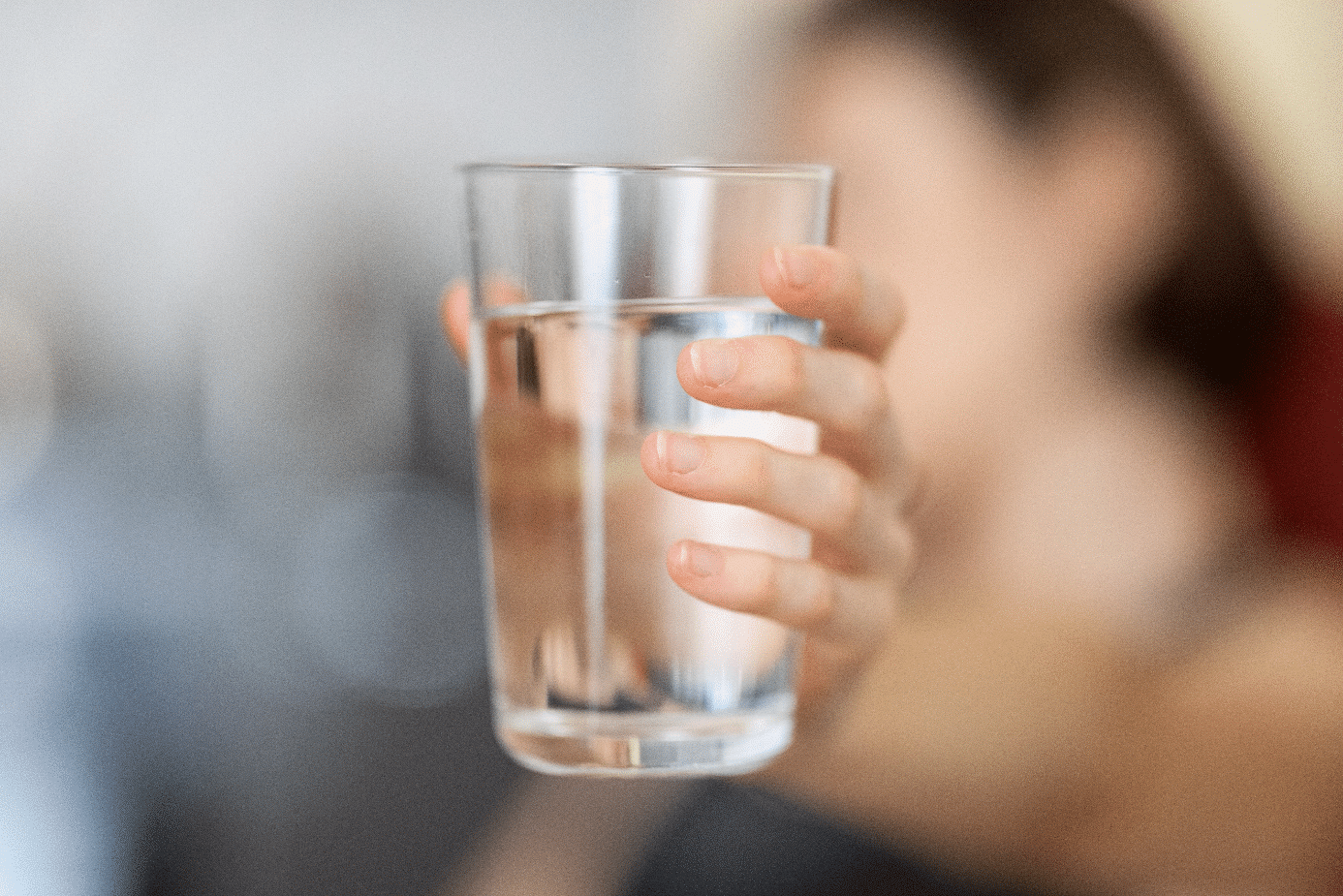
We often hear the saying, “You should eat to live, not live to eat.” We all know it. But here is one that may be even more accurate: You should drink to live. Thirst is more dangerous than hunger. Although countless web pages already discuss hydration, much remains unsaid. The body still keeps many secrets about its close relationship with water. In this article, we take you beyond the usual advice into the often-overlooked world of the power of water on the human body. Be prepared to see your relationship with water differently after reading this.
While diet is clearly a central pillar of good health, proper hydration plays an equally important role. Beyond the familiar benefits usually linked to water, this fluid affects the body at every level, without exception. So, should you wait until you feel thirsty before drinking?
The answer is clearly no. Unlike some diets, which can be restrictive and demanding, maintaining good hydration offers the body a wide range of benefits. Water is also inexpensive and widely available. There are no calories to count and no portions to weigh. Even here, we begin to see its impact on health.
Did you know that before weigh-ins, boxers often try to sweat heavily? The goal is to lose water weight. Yes, the human body is largely made of water. That alone shows how important water is in the complex system that is the body. For this reason, a healthy relationship with water is essential for effective body weight management.
To begin with, water can play a role in satiety. Several studies suggest that drinking water before or during meals may help people feel full sooner, depending on the amount consumed. One or two glasses before lunch, for example, may help you feel satisfied earlier and eat less food.
Depending on your goals, water may help reduce calorie intake at meals. This means drinking water not only when thirsty, but also as a simple way to support fullness during meals. If you are thirsty, try to resist reaching for fruit juice or fizzy drinks. Choose water instead, because it contains no calories.
The brain and water have a close relationship. For strong performance, the brain needs to remain properly hydrated. When you drink enough water, blood circulation to the nervous system is supported, helping oxygen delivery to the brain and the normal function of neurons. This can positively influence cognitive performance.
Given the enormous number of tasks it manages every second, the brain needs steady hydration. Even mild dehydration may reduce memory, concentration and self-control. If dehydration continues, it can impair reasoning, reactions and mental clarity.
Most people now recognise that mood is a vital part of productivity and healthy relationships. Many know that irritability can rise simply because lunch was delayed. Yet fewer people understand the importance of hydration in emotional balance. A dry throat can sometimes contribute to a day marked by stress or low mood.
Hydration may influence dopamine, serotonin and cortisol balance. These substances play an important role in emotional wellbeing. Going too long without drinking may increase stress responses linked to cortisol.
Dehydration is sometimes the hidden cause of physical exhaustion. During exercise, consistent hydration can make a real difference. It helps preserve energy and reduce lethargy.
The muscles that power movement are made up largely of water. Hydration supports normal muscle contraction and therefore physical performance.
Because movement also places demands on the joints, hydration matters there too, as joints rely on fluid for smooth movement. It is also worth remembering that sweating during activity increases the rate of fluid loss.
Some people may lose significant body weight through sweat during training. That is why it is commonly recommended to drink around 500 mL of water before exercise and continue drinking at intervals during activity.
As a broad guideline, an adult may aim for around 1.5 litres of plain water per day. However, this should not be treated as a fixed rule. The ideal daily amount varies from person to person.
Important factors include:
So while 1.5 litres can be a useful average, some people will need more, especially if they sweat heavily, exercise often or live in a hot climate.
This is why summer is one of the seasons when hydration matters most. If you notice signs of dehydration after drinking 1.5 litres, you may need more fluids.
Common signs include:
To begin with, it is worth remembering that the best way to hydrate is to drink plain water. Many people rely on refreshing soft drinks, but these can be misleading because they taste appealing.
Some contain high amounts of sugar. Excess sugar may interfere with healthy habits and add unnecessary calories. If you drink sugary beverages, it is sensible to also drink water as part of balanced hydration.
Real hydration should be based mainly on filtered tap water. Other drinks such as milk, tea, herbal infusions, coffee and plant-based drinks can also contribute, but moderation is sensible.
Highly caffeinated or strongly diuretic drinks should not be consumed in excess. Examples include coffee and some teas. These may increase urination in some people, so balance them with water intake.
In all cases, do not replace water entirely with tea, coffee or fizzy drinks.
For people who enjoy sparkling drinks, sparkling water can be a useful alternative for hydration. However, carbonated water may cause bloating or reflux in some individuals.
Consigne de faire bouillir l’eau : causes, risques et solutions. Comprenez quand et pourquoi ces recommandations sont émises et comment réagir.
Les nitrates dans l’eau du robinet sont fréquents mais invisibles. Découvrez leur origine, les risques potentiels et les solutions pour mieux comprendre votre eau au quotidien.
Les nitrates sont difficiles à détecter sans analyse. Découvrez comment ils se retrouvent dans l’eau du robinet, pourquoi ils sont surveillés et comment tester votre eau simplement.
Les nitrates peuvent être présents naturellement dans l’eau, mais certaines activités, notamment agricoles, peuvent augmenter leur concentration. Découvrez la limite applicable en France, comment v...
Nitrat kommt natürlich in Böden, Pflanzen und Wasser vor. Erhöhte Konzentrationen können jedoch insbesondere im Grundwasser auftreten. Erfahren Sie, wie der Nitratgrenzwert in Deutschland geregelt ...